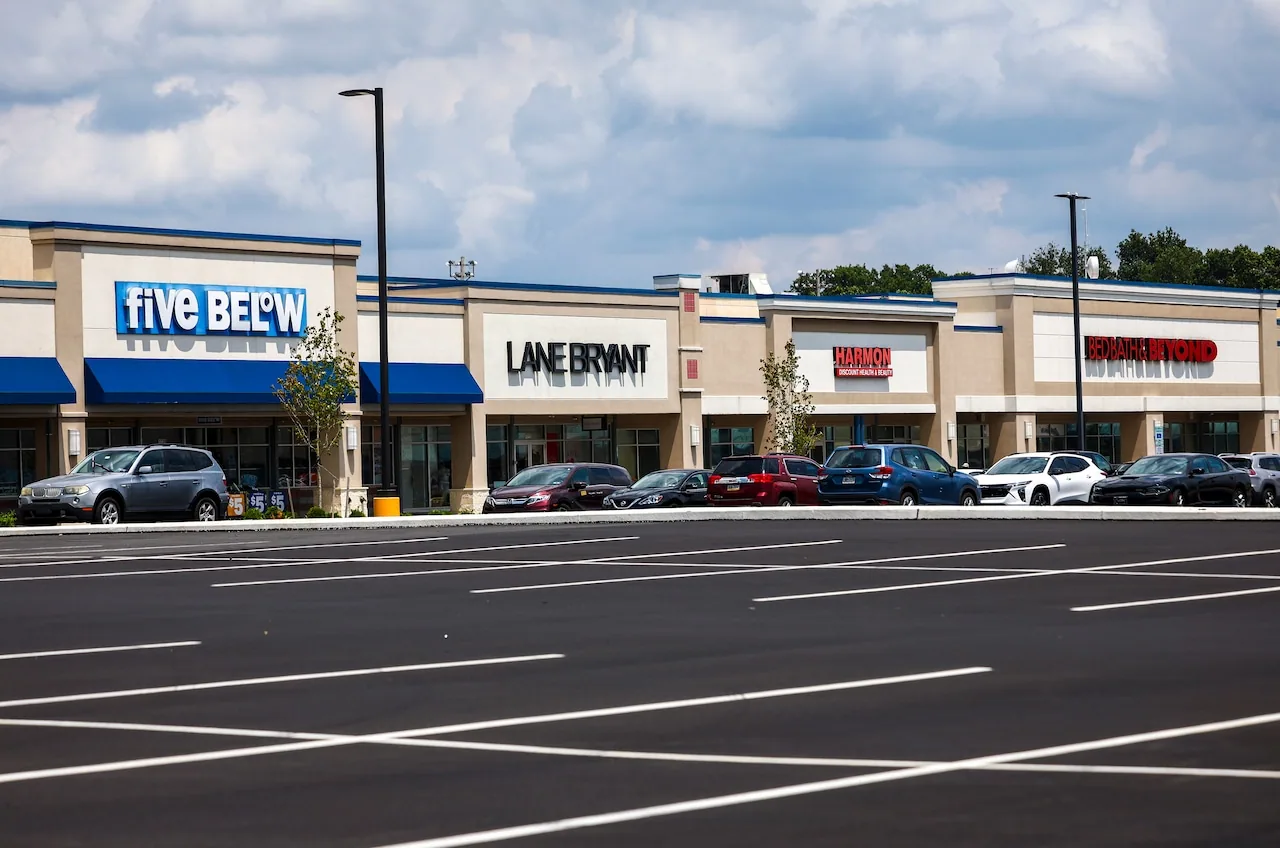
A wet ceiling tile near a store entrance starts a clock for the tenant, the maintenance desk, and the roof. Commercial Roofing South Bend inspects, repairs, restores, and replaces commercial roofs along the Grape Road retail corridor in Mishawaka, IN. We locate the affected roof zone, clear or protect the drainage path, document visible conditions, and set a temporary dry-in when water is entering. The permanent recommendation follows the roof assembly and the work window the property can support.
University Park Mall is a major retail destination in northern Mishawaka. The corridor also includes stores, restaurants, offices, and other retail properties. We inspect the roof over the affected building and coordinate access with its entrance, delivery point, loading area, and tenant or service spaces.
Protect the occupied space first
When water is still moving, the first step is to make the interior safe. We identify the room or sales area below, protect inventory and fixtures where possible, and find the roof zone above it. If the ceiling is saturated, electrical equipment is exposed, or a walkway has become slippery, the property contact can isolate that area while we check the roof. Temporary protection is followed by a photo log and a clear statement of what remains open.
Retail buildings stay active across different hours. A receiving dock may need to keep clear for deliveries, a restaurant may need its exhaust system available, and stores may have tenant hours that limit noisy work. We ask the property manager to set those constraints before material is brought to the roof. A repair scheduled before opening or after closing may reduce disruption, but it also affects setup, crew time, and the number of work periods. We compare a contained repair with broader work using the actual access plan rather than assume one schedule fits the whole corridor.
For ongoing water entry, our commercial leak response traces the path from the interior symptom to roof transitions, penetrations, seams, and drains. The visible stain is a starting point, not the removal boundary. We record the roof areas inspected and identify where testing is still needed.
Check drainage after snow and storms
South Bend averages about 64.5 inches of snow each year, and Mishawaka can receive substantial lake-effect accumulation. Drifted snow piles against parapets and rooftop units while meltwater may reach drains that remain blocked by ice. We check the drain bowl, scupper, low area, and the water path across the roof before calling drainage complete. A drain and scupper inspection also looks for debris, displaced strainers, and seams or flashings weakened by standing water.
The freeze-thaw season runs from fall into spring. A seam that opens during movement can let water into insulation, then freeze again before the surface dries. We photograph affected details and compare them with prior records when available. A test opening may be needed to confirm whether insulation is wet or the deck has changed; readings at one opening apply to that roof area only.
Hail and tornadoes are part of the local weather record. A June 2019 storm brought hail to South Bend and Mishawaka, and an October 2001 tornado crossed the area between Mishawaka and Osceola. After a storm, we check edge metal, surface marks, flashing and attachment at the property before documenting any damage. We inspect edge metal, surface marks, flashing, and roof attachment before documenting storm-related findings.
Read the roof before selecting the repair
Retail roof zones can include different membranes, older recover layers, skylights, mechanical equipment, and numerous curb transitions. We identify the system that is actually in place before choosing a patch or tie-in material. A TPO membrane needs a compatible welded repair; other assemblies may require a different preparation and material. If the roof holds water or has a weak surface, applying a coating before checking the underlying condition can conceal a problem without correcting it.
We inspect seams, drains, wall transitions, skylight curbs, exhaust penetrations, and edge details around the affected zone. Where a roof section meets another addition or tenant space, we mark the tie-in and note whether the adjoining materials can remain. When surface inspection leaves a question, we can describe a controlled opening, how the area will be protected, and how it will be closed afterward.
Available options can include a localized repair, a recover, restoration, or replacement. A contained defect may be suitable for repair if the surrounding material is dry and secure. Wet insulation, failed attachment, repeated water entry, or a roof that cannot accept a compatible tie-in can change the scope. We show what material must be removed, what can stay, and which roof areas are outside the inspection so the owner can compare choices using clear boundaries. A recover assessment follows the existing assembly rather than a broad visual estimate.
Coordinate tenants and material routes
A retail corridor contains more than one operating plan. Stores may share a parking field but have different delivery hours, service access, and interior protection needs. The building contact identifies the tenant space affected, access rules, and who can authorize work. We agree where supplies can be unloaded and which routes must remain open. If a lift or material hoist is needed, placement follows the property’s traffic and pedestrian plan.
Inside the building, temporary protection matters while a roof opening is exposed. We confirm how the affected room will be separated, who needs notice, and what signs or barriers keep visitors away from the work. On a larger reroof, we divide the roof into closable sections and set a daily stopping point that leaves each area secure. The work order accounts for interior protection and cleanup alongside the membrane installation.
Commercial roofs elsewhere in Mishawaka, including the regional industrial area, serve different operations and require their own access plan. Along Grape Road, the mall and surrounding retail uses each receive an inspection and repair plan suited to that building.
Close the work with useful findings
After repair, the photo log should identify the roof area opened, the material replaced, the adjoining surface retained, and any limit that remains. This gives the property manager a reference for the next inspection and a way to answer tenant questions about the completed work. If a leak involved several rooms or roof zones, the closeout keeps those findings separate instead of describing the whole property as dry based on one repair.
For a first visit, share the tenant or room where water appeared, when it started, any prior patch, roof plans, equipment constraints, and the hours when access is available. We can arrange inspection and temporary protection, then return with a permanent scope once the receiving condition is known. If the roof is safe to inspect, someone can walk through the response at any hour, any day. For an active leak or newly opened roof detail, emergency roof repair starts with the affected tenant space, roof access and safe temporary protection.
Commercial Roofing Questions
Can a leak be repaired while stores remain open?
Often, when the leak area can be isolated and the roof route is safe. We coordinate tenant notice, interior protection, deliveries, and any loud work with the property manager before setting the sequence.
Does a wet ceiling show where the roof failed?
It shows where water appeared inside. We inspect the roof zone above and trace drains, seams, curbs, skylights, and wall transitions before deciding where removal or testing should stop.
What should happen after hail reaches Mishawaka?
We inspect accessible roof areas for impact, displaced details, and openings, then photograph what is visible. The regional storm record is context; the condition at the property determines the repair recommendation.
When is a roof recover reasonable for a retail building?
A recover needs an existing assembly that can receive the new system, with moisture, attachment, drainage, and code requirements checked first. Wet or unsuitable material must be addressed rather than covered.
How do you protect inventory during a repair?
We agree on the affected space with the site contact, set interior barriers or temporary protection, and keep the roof opening secure at each stopping point. If conditions change, we update the work boundary before proceeding.
Related Roof Work
Talk to Our Team
Tell us where the water is landing, what the roof is made of and when the building is easiest to reach.
Phone: 555-555-5555
Email: [email protected]