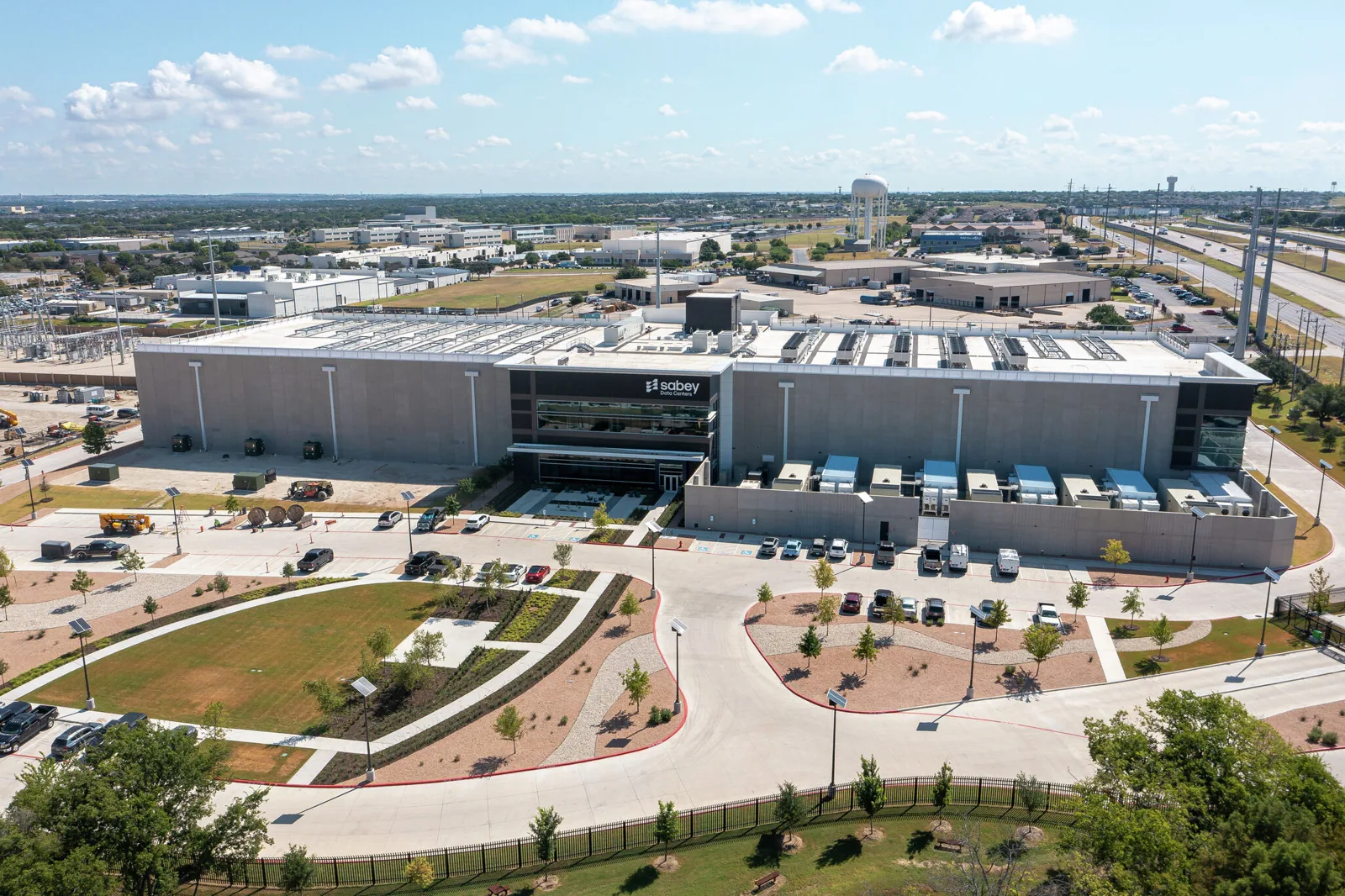
The alert reaches the facilities desk before anyone sees water. A leak sensor in the corridor beside the white space trips at two in the morning, and the engineer on shift has to find out whether it is a condensate line or the roof. In a data center in South Bend, IN the second answer is the one that changes the night, because water overhead is an outage waiting to be named. Our first conversation is quick and practical: which hall is below, which circuits and cooling lines run through the ceiling, and whether the engineer can see anything wet. Then someone goes onto the roof to find the opening before the next band of rain.
The sensor trips first
The crew arrives with the escort the site requires, badges in hand, and we start with the simple suspects: clogged drains, ice at the scuppers, a seam near the equipment pad, a curb with a gap at the corner. We trace the wet area on the roof against the floor plan below, so the building engineer knows which row is exposed. A temporary dry-in goes over the opening as soon as it is located, and we photograph only the roof, never the interior. The facilities lead receives the roof photographs, the location marked on a plan, and a clear statement of what is protected and what is still open before we leave the building.
Fire watch and clean-agent systems
A torch on a data center roof is a poor idea. Smoke and heat can reach detection below, and a suppression release in a live hall costs far more than the roof ever would. So the method is chosen for the building: cold adhesive or welded single-ply seams, mechanical fasteners that stay clear of conduit and ductwork under the deck, and no open flame unless the site's own safety team approves it in writing. We ask where the detection and suppression sit, which zones are on pre-action, and whether any intake sits within reach of the work. A fire watch stays on the roof through the cooling period of any hot task and after the crew leaves.
Fiber, campuses and the roofs above them
A 50-mile dark fiber network, the St. Joe Valley Metronet, encircles South Bend and Mishawaka and supports the area's data center and tech tenants, and the largest data center in northern Indiana is said to be the Union Station Technology Center. The former Studebaker site on the southwest edge of downtown South Bend, now the Renaissance District, plans data center space alongside office, education and research-grade manufacturing space, and Ignition Park holds 140 acres planned for roughly 3 million square feet of high-tech space. Whichever campus a client occupies, the roof carries conduit, cooling lines and exhaust, and each of those openings is a place where water can find the hall.
Chillers, generators and the pads beneath
Roof-mounted chillers, dry coolers and generator exhaust put heavy, long-lived loads on a roof, and the pads under them are where maintenance foot traffic concentrates. We look at the structure the equipment sits on, the curbs and supports that carry it, and the flashing where pipe and conduit pass through. Walking pads along the service routes protect the membrane from tool bags and dropped fasteners. If a unit is due for replacement, we coordinate the roof work with the mechanical contractor's lift so the new base is flashed before the unit lands, not after it has been set.
Wind, hail and the tornado line
A roof over critical load is judged by the worst weather it can meet. South Bend has recorded a 92 mph gust, an F3 tornado that tracked across the northwest side on October 24, 2001, and hail up to an inch on June 1, 2019. Edge metal, perimeter attachment and the surface of the membrane are the first places a storm tests, and equipment screens and louvers can catch wind as well. After a severe event we inspect before the owner has to ask, and a tornado damage roof repair is far more orderly when the facility already holds a recent condition record to compare against.
Access, escorts and change windows
Most data centers control who enters and when, so we plan around badging, escort availability and change-management windows before a crew is scheduled. Photographs are limited to the roof, tools and materials are inventoried on the way in and out, and deliveries arrive at the dock the site assigns. Large tasks are tied to the change calendar, and the facilities lead receives a written plan for each day. Between projects, a preventive maintenance program and an annual infrared moisture survey catch wet insulation before it becomes a ceiling stain over a corridor. The same discipline carries into an office building with a server floor in the middle of it, and into a hospital, where the roof is also never allowed to be the reason something stops.
Every daily closeout should name the areas that stayed dry, the temporary protection left in place, and the next access window. Facilities can compare that note with sensor events and equipment alarms, then route any needed escort or change ticket before the crew returns. A roof sequence stays separate from assumptions about the data hall.
Commercial Roofing Questions
Will roof work set off our fire suppression or leak detection?
It can if nobody plans for it, so we plan for it. We ask for the detection zones, identify the ones nearest the work, and choose methods that produce no flame, minimal dust and no smoke. If a detection zone has to be placed in test mode, the site's own team does that on their schedule. We never touch the life-safety systems ourselves.
How do you replace a roof directly over live equipment?
The plan starts below the deck. We learn which halls and cooling lines sit under each section, then remove and replace the roof in strips small enough to be dried in the same day. Temporary protection goes on at the end of every shift, and the building engineer checks the corridor sensors before and after. Work over the most critical hall can move to a window the owner picks.
Can we require escorts, badges and a no-photo rule on the roof?
Those are routine requests, and we plan for them from the start. Crew members present identification, an escort stays with them, and the camera is used on roof surfaces only. Anything the site considers sensitive stays out of the frame. Written reports carry roof photographs and locations marked on a plan, with nothing that reveals the interior of the facility.
Is a moisture scan worth it if nothing has leaked?
A scan is cheapest when it finds nothing. Wet insulation can sit under a good-looking membrane for years, losing its value and waiting for the next freeze to damage the seams. A scan in the thaw season, with a few core cuts, tells the owner whether the roof is dry and gives the maintenance record a baseline that later scans can be compared with.
Does a tornado watch change how you schedule work?
Work stops when the watch begins and the roof is secured. Open sections are closed, loose material is tied down or lowered, and the crew leaves the roof well before the weather arrives. We keep a weather plan for each day, track the forecast in the morning, and tell the facilities lead whether the day's work is on, delayed or shifted to a calmer window.
Related Roof Work
- Downtown South Bend
- Ignition Park
- Rooftop Equipment Curbs and Supports
- Tornado Damage Roof Repair
- Preventive Roof Maintenance
- Infrared Roof Moisture Surveys
- Office Building Roofing
- Hospital Roofing
Talk to Our Team
Tell us where the water is landing, what the roof is made of and when the building is easiest to reach.
Phone: 555-555-5555
Email: [email protected]