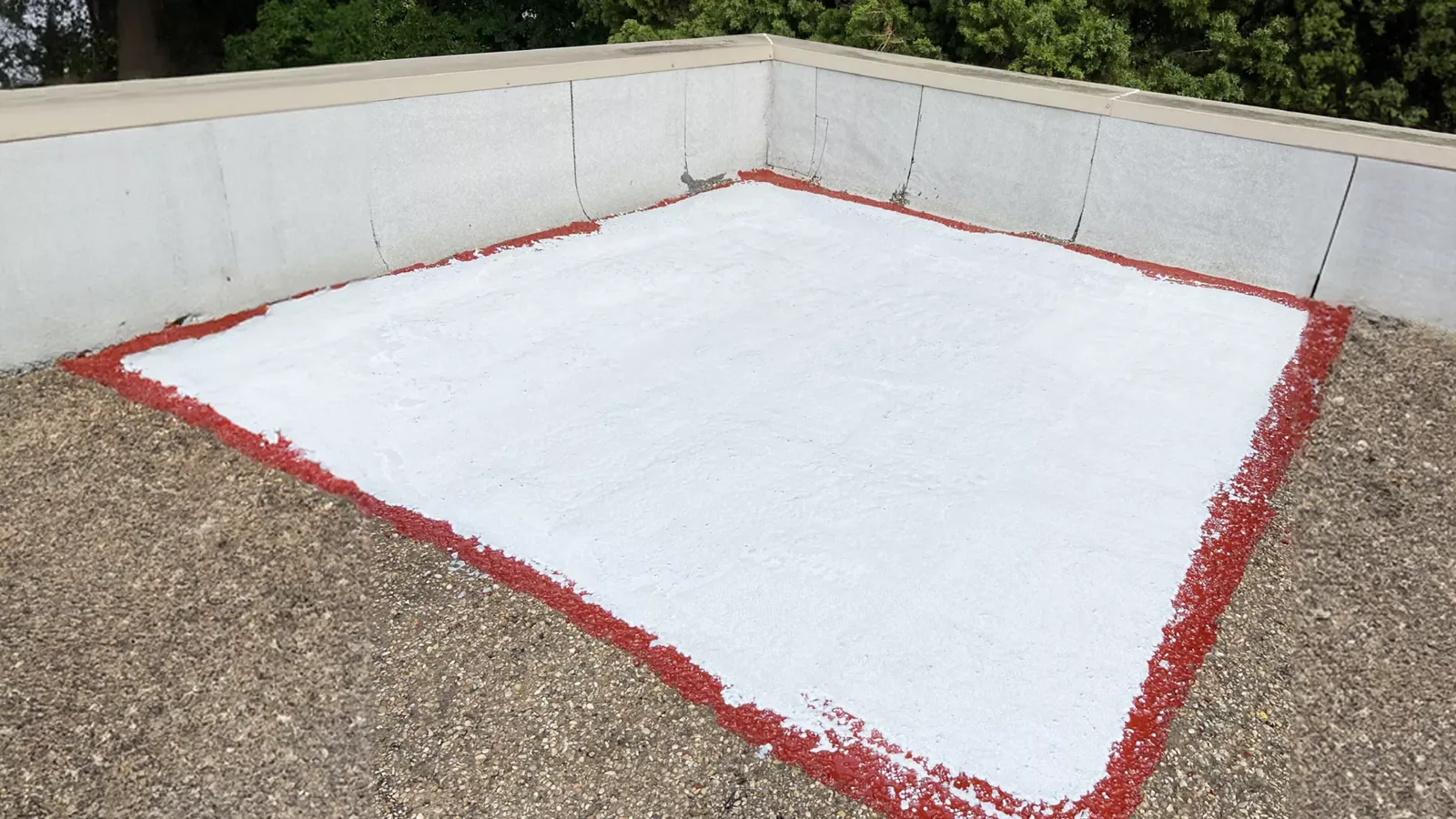
The kettle sits at the edge of the parking lot, and the first thing a tenant notices is the smell. Hot asphalt on a flat roof announces itself across the whole block, and a property manager in South Bend, IN who has lived through a tar and gravel installation remembers it. Built-up roofing, usually shortened to BUR, is alternating layers of bitumen and reinforcing felts, finished with gravel or a cap sheet. It is one of the oldest flat roof systems still installed, and the reason is simple: many layers make a leak harder to start and easier to isolate. The roofs that suit it, and the ones that do not, show up quickly when someone climbs up and looks at the surface.
Layers that keep a leak local
A built-up roof is a stack. Plies of felt are mopped down with hot asphalt, one over the next, until the roof carries three or four layers of waterproofing in place of the one found in a single-ply sheet. If one ply has a flaw, the others still resist water, and the leak rarely travels far from where it began. The surface has a job too. Gravel shields the asphalt from sun and hail, and it adds mass that holds the roof down in wind. A cap sheet does the same in a lighter package. That design earned the system its long reputation, and it also explains why owners are surprised when a moisture survey shows trouble in a roof that never leaked.
Heat, smoke and the neighbors
Hot-applied BUR needs a kettle or tanker, a hoist and a clear staging area, which is why the logistics get discussed before the material does. Fumes drift, so air intakes on the roof and on adjacent buildings are located and protected, and tenants receive notice of the schedule. A shopping center along Grape Road in Mishawaka, with more than 4,300 parking spaces, needs a staging plan that leaves fire lanes and customer paths clear. Where open heat is not acceptable, cold-applied BUR uses adhesives in place of hot asphalt, and a modified bitumen system gives a similar layered feel with more application choices. The kettle gets set only after the permit, the fire watch and the wind forecast agree.
Reading an old gravel roof
South Bend is still redeveloping the former Studebaker complex, and wherever an older flat-roofed building stands, it invites the same question about what is actually up there. A gravel surface hides its condition, so we sweep and probe. Blisters tell us where air or moisture is trapped between plies. Alligatored asphalt shows where the sun has cooked the surface. Bare spots appear where gravel has washed or blown toward the drains, and ridges mark where the felts moved. Core cuts through the layers show whether the insulation is dry, and an infrared moisture survey maps wet areas between the cores. Older felts and flashings can also contain asbestos, so material samples go to a lab before any tear-off plan is written. We also check whether the roof is asphalt or coal tar pitch, because the two behave differently and need different repair materials. This information is what separates a roof worth repairing from one that has used up its layers.
Gravel, ice and snow shovels
Winter treats a gravel roof differently. The surface holds snow and meltwater, ice forms in the low spots, and a shovel or an ice scraper can drag gravel into the drains or cut straight through to the felts. With snowfall near 64 and a half inches a year and wet weather on about 148 days, a roof like this goes through many cycles. We advise snow contractors to leave a layer of snow instead of scraping to the surface and to keep metal blades off the roof. Gravel that has moved into roof drains and scuppers shows up once the snow is gone, and clearing it is part of every post-thaw visit. Freeze-thaw also hardens old asphalt, which is why cracks tend to open on the first cold morning of the year.
Repair, recover or replace
The decision depends on what the cores and the survey show. Isolated blisters and open laps are cut out and patched with new felts and asphalt, and a dry roof with a few failed details is a repair job. A BUR roof that is dry and flat can sometimes take a recover with a cover board and a new single-ply sheet, or even spray polyurethane foam. A roof with wet insulation across its field needs replacement. Weight matters on a tear-off and a recover alike, and so does the stone. After a windy night, loose gravel ends up in the drains, on the pavement and sometimes on a windshield, so a post-storm sweep belongs in every maintenance plan. Waiting on a blistered roof only lets wet felts spread the problem across more of the building.
Makers, records and the next visit
Built-up systems come from several makers, including Johns Manville, and each has its own approved assemblies and details. We install and repair to the system on your roof and hand the property manager the photo log, the sample results and the product records. After the last frost we come back to sweep the gravel out of the sumps and look at the blisters we marked in the fall.
Commercial Roofing Questions
Do the hot asphalt fumes get into the building?
They can if the intakes are not protected. Before the kettle is lit we find every air intake and exhaust on the roof and on neighboring buildings, cover or shut them as the facility team directs, and place the kettle downwind. Tenants get a schedule so they can plan around the hours when odor is highest. Cold-applied systems cut this concern, and we offer them where the building calls for it.
Can our snow contractor clear a gravel roof?
Only with care. Metal blades and scrapers dig into gravel, push it into the drains and cut the surface felts. We recommend leaving a thin layer of snow, using plastic shovels near drains and calling us if drifts against parapets reach a depth that worries the structure. Roofs with a smooth cap sheet are easier to clear, but the same rule applies.
Our roof has blisters the size of dinner plates. Are they leaks?
Not necessarily. A blister is trapped air or moisture between plies, and it may be intact for years. It becomes a leak when the top ply splits, usually after a freeze. We slice a few open to look for wet felts, and we cut out and patch those that have cracked. A cluster of blisters across a field points to moisture in the insulation and calls for a scan.
How do you tell asphalt from coal tar pitch on an old roof?
Appearance and smell hint at it, but samples settle it. Coal tar pitch roofs often have a distinctive look and a heavier odor, and they heal small cracks in warm weather. Repair materials differ, and mixing the two can cause failures. We take a sample, send it for identification and match the repair to what the lab reports.
Does a built-up roof still make sense on a new building?
It can, especially where foot traffic, hail and redundancy matter more than a quick install. Many owners choose modified bitumen or single-ply instead, because of application choices and schedule. We price a layered system alongside the alternatives when the building allows, so the comparison is made on your roof's actual needs.
Related Roof Work
- Grape Road in Mishawaka
- Modified Bitumen Roofing
- Infrared Roof Moisture Surveys
- Roof Drains, Scuppers and Ponding Correction
- Roof Recover and Overlay
- Spray Polyurethane Foam Roofing
- Commercial Roof Replacement
- Johns Manville Roofing
Talk to Our Team
Tell us where the water is landing, what the roof is made of and when the building is easiest to reach.
Phone: 555-555-5555
Email: [email protected]