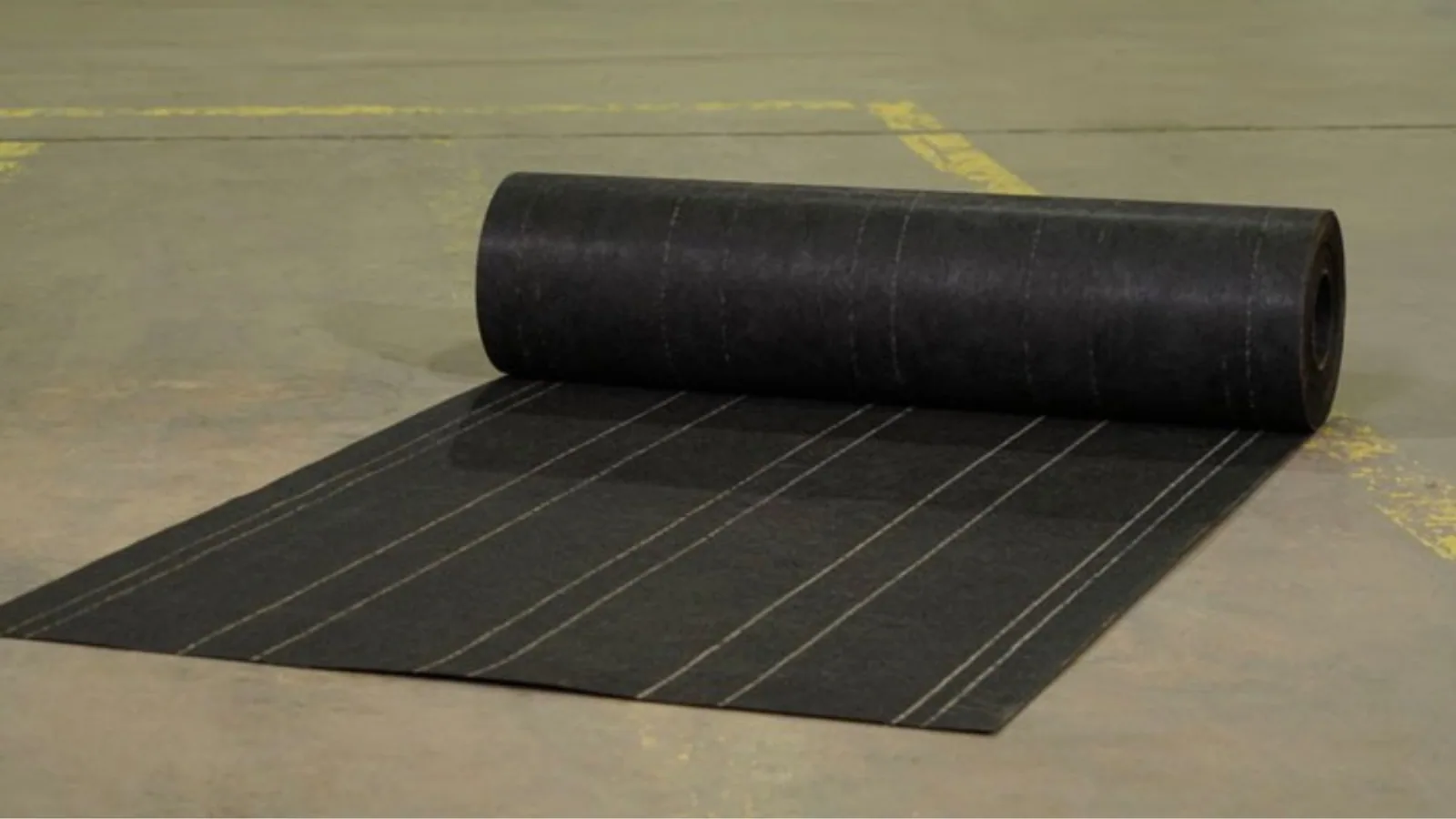
A core sample from a Johns Manville roof can reveal the assembly one layer at a time: surfacing, bitumen, reinforcing felt and insulation that may be wet below. If the tenant reports a ceiling stain after a thaw, the core helps identify whether the roof is built-up, modified bitumen or a heat-welded sheet. We start by reading the layers, then explain what each one means for the repair. That sequence applies to occupied commercial buildings in downtown South Bend, IN and across the market. Johns Manville makes built-up, modified bitumen and single ply roofs, and the repair for a four-ply roof with a wet board below is a different job from a patch on a heat-welded sheet. We start by reading the layers, and we tell the manager what each one says.
Pull a core before the patch
A core cut shows what no walk-through can. We use a small hole saw or a knife to lift a sample at a suspect spot, photograph the layers beside a ruler and reseal the opening with compatible materials before closing the inspection area. The sample tells us whether the roof is built-up, modified bitumen or single ply, how many plies there are, how thick the insulation is and whether the board is dry, damp or saturated. Where an infrared moisture survey has already marked wet areas, we cut at the edges of those marks to confirm the readings. Without the core, a repair is a guess about what is underneath, and a guess about wet insulation usually costs a second visit.
What the layers are doing
A built-up roof is made of alternating layers of reinforcing felt and bitumen, finished with a surfacing of gravel, mineral cap sheet or coating. The redundancy is the point: if the top ply blisters or scuffs, the plies below still shed water. The weakness shows at the edges and at penetrations, where the layers end and flashing has to take over. Modified bitumen works on a similar logic with a polymer-enhanced sheet that is torched, mopped or applied cold. When we repair either one, we cut out blisters, dry the area, build the layers back in the same order and finish with flashing that overlaps the old work. A shortcut, such as a patch of cold mastic over a wet blister, tends to reopen after the next freeze.
Single ply from the same maker
Johns Manville also sells TPO, PVC and EPDM sheets, and an owner may have one on a newer addition while an older section carries bitumen. Those adjoining sections need a transition detail where one system meets the next, and a poor transition is a frequent source of leaks. We look at that junction closely, because water can run under the lap of one system and surface in the other. Single ply sections get their seams probed and their fasteners checked. Bitumen sections get their laps and flashing checked. A manager with a mixed portfolio may also hold Holcim Elevate or Soprema paperwork, and each building's records stay separate. At a transition, we also check whether the two systems meet at a curb, wall or drainage change, then photograph that junction so future repairs can follow the assembly already in place.
Insulation and boards above the deck
Under any membrane, the insulation does a job the sheet cannot. Polyisocyanurate board is common in commercial roofs and Johns Manville sells it, and a cover board over it protects the foam from foot traffic and hail. When insulation gets wet it stops insulating, and the heating bill and the interior condensation get worse together. Winter cold makes that visible in a particular way: a wet section stays cold under snow, melts less and sometimes shows as a stripe in the snow cover. We check insulation and cover board condition during a repair and recommend replacement of any section that fails a moisture reading. When a roof is opened for new equipment or repair, a moisture check can identify wet board before the section is closed.
Water that has nowhere to go
Rain or snow is measured on roughly 148 days each year, and the 4.88 inches that came down in one August 1995 day and night shows how hard one downpour can test internal drains and scuppers. A roof that holds water for days softens the bitumen surface and works at every blister and lap. In Mishawaka, the county services building suffered a partial roof collapse in the wind and rain of April 1, 2016, with heavy water damage on its top floor. We clear the drain bowls, check that strainers are in place and note low areas where water remains after rain. Where ponding is chronic, the fix may be tapered insulation or a new drain, not another patch.
Handing over the record
After the repair, the manager receives a roof plan marked with core locations, a photo log of every layer we saw, moisture readings where we took them and a written summary of what was done. If a section needs replacement, we price it as its own scope so the capital planner can sequence it. We also flag items that sit outside the repair, such as flashing at an old curb or a skylight curb that has reached the end of its life. After a thaw, a follow-up inspection can check the repair and nearby laps when winter conditions have changed.
For a repair that may need a later warranty review, we keep the material identification, repair method, and photographs together. The owner can then show what was changed without relying on a crew member's memory, while any warranty decision remains subject to the manufacturer's written terms.
Commercial Roofing Questions
How many layers should I expect to find on an older built-up roof?
The count varies with the building and with how many times the roof has been recovered. A core cut gives the real number, and it also shows whether the bottom plies are still sound. We will not guess from the surface. Once we have the sample, we can tell you whether a repair, a coating or a section replacement fits the roof you have.
Is a blister on a bitumen roof an emergency?
Not by itself, but an unattended blister can split and let water in, especially after a freeze. We cut it open, dry the area and rebuild the plies, then flash the repair. If the blister sits over a wet core we also look for the source of the moisture.
Can single ply and bitumen sections share one roof?
They can, and many buildings have both after an addition or a partial replacement. The transition between them needs a purpose-made detail, and we inspect that junction first when a leak shows near it. Where it has failed, we rebuild the termination rather than add more sealant.
What does a core cut do to the roof, and who repairs the hole?
The opening is small and is resealed with materials that match the layers removed. We photograph the closed cut beside the original sample before leaving the inspection area. Any membrane warranty paperwork should be checked beforehand, and we will help you find the relevant clause.
Should we recover a wet bitumen roof?
Not until the wet insulation is removed. A recover seals moisture inside the assembly, where it keeps working on the deck and the fasteners. A survey or core readings show how much is wet, and in many cases a partial tear-off followed by a new membrane is the better path. We will lay out both options in writing.
Related Roof Work
- Infrared Roof Moisture Surveys
- Built-Up Roofing (BUR)
- Modified Bitumen Roofing
- PVC Roofing
- Holcim Elevate Roofing
- Soprema Roofing
- Roof Insulation, Tapered Systems and Cover Board
- Downtown South Bend
Talk to Our Team
Tell us where the water is landing, what the roof is made of and when the building is easiest to reach.
Phone: 555-555-5555
Email: [email protected]