Roof Systems
TPO, PVC, EPDM, modified bitumen, built-up, metal, foam and coating systems for commercial roofs in South Bend, IN, matched to snow, wind and freeze-thaw.
The question usually surfaces at the meeting where a failing roof has to be replaced: what goes back on it? The answer has to hold up under a lake-effect January, a hot afternoon in June and the quieter work of drainage in between. South Bend, IN averages about 64.5 inches of snow a year, records measurable precipitation on roughly 148 days, and has seen readings from minus 22 to 104 degrees Fahrenheit. A membrane that handles that swing across the open field of the roof can still fail at a parapet, where snow drifts deep against it. We choose and install systems with those stresses in mind, and the choice always begins with the building underneath.
The question usually surfaces at the meeting where a failing roof has to be replaced: what goes back on it? The answer has to hold up under a lake-effect January, a hot afternoon in June and the quieter work of drainage in between. South Bend, IN averages about 64.5 inches of snow a year, records measurable precipitation on roughly 148 days, and has seen readings from minus 22 to 104 degrees Fahrenheit. A membrane that handles that swing across the open field of the roof can still fail at a parapet, where snow drifts deep against it. We choose and install systems with those stresses in mind, and the choice always begins with the building underneath.
Single-ply sheets
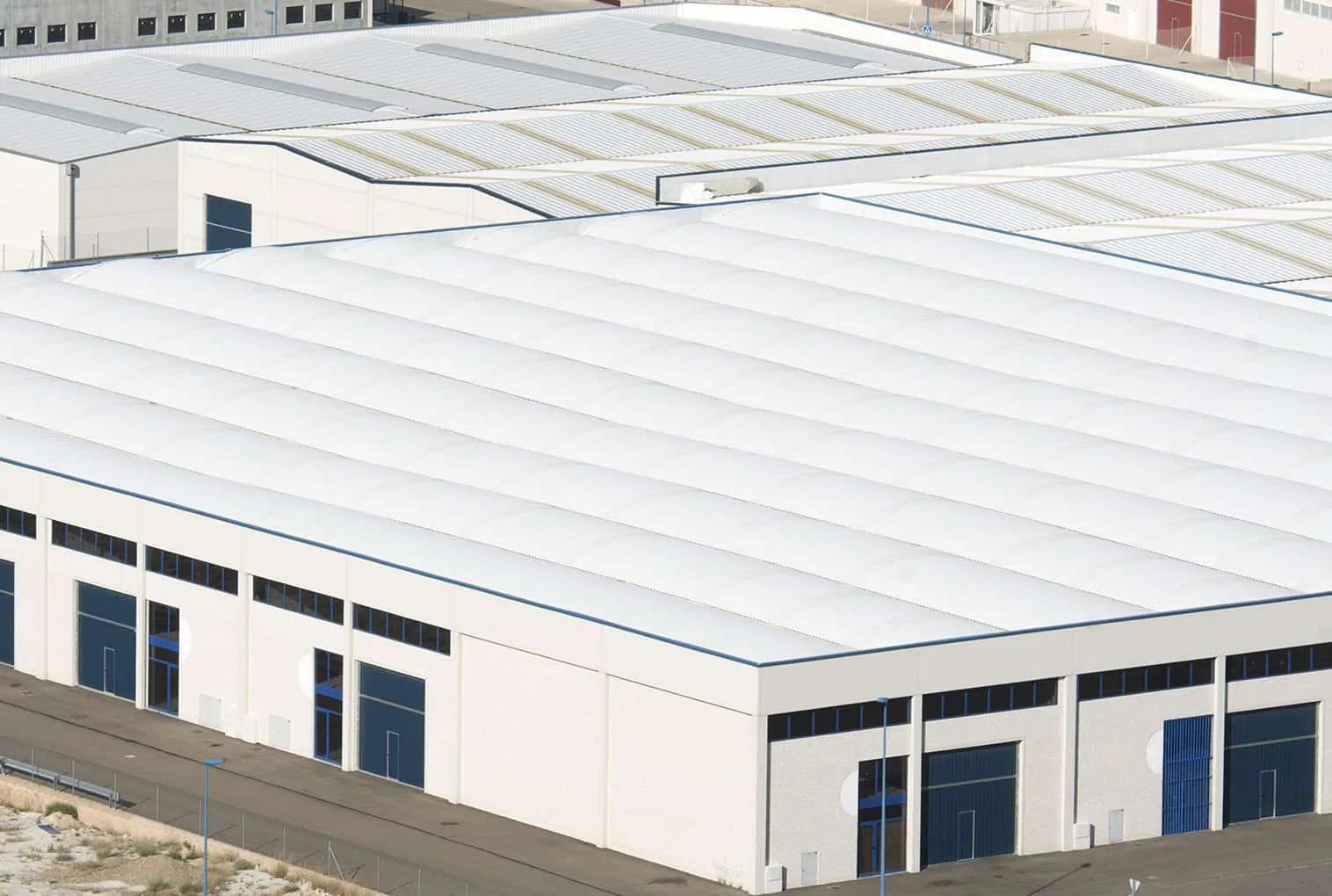
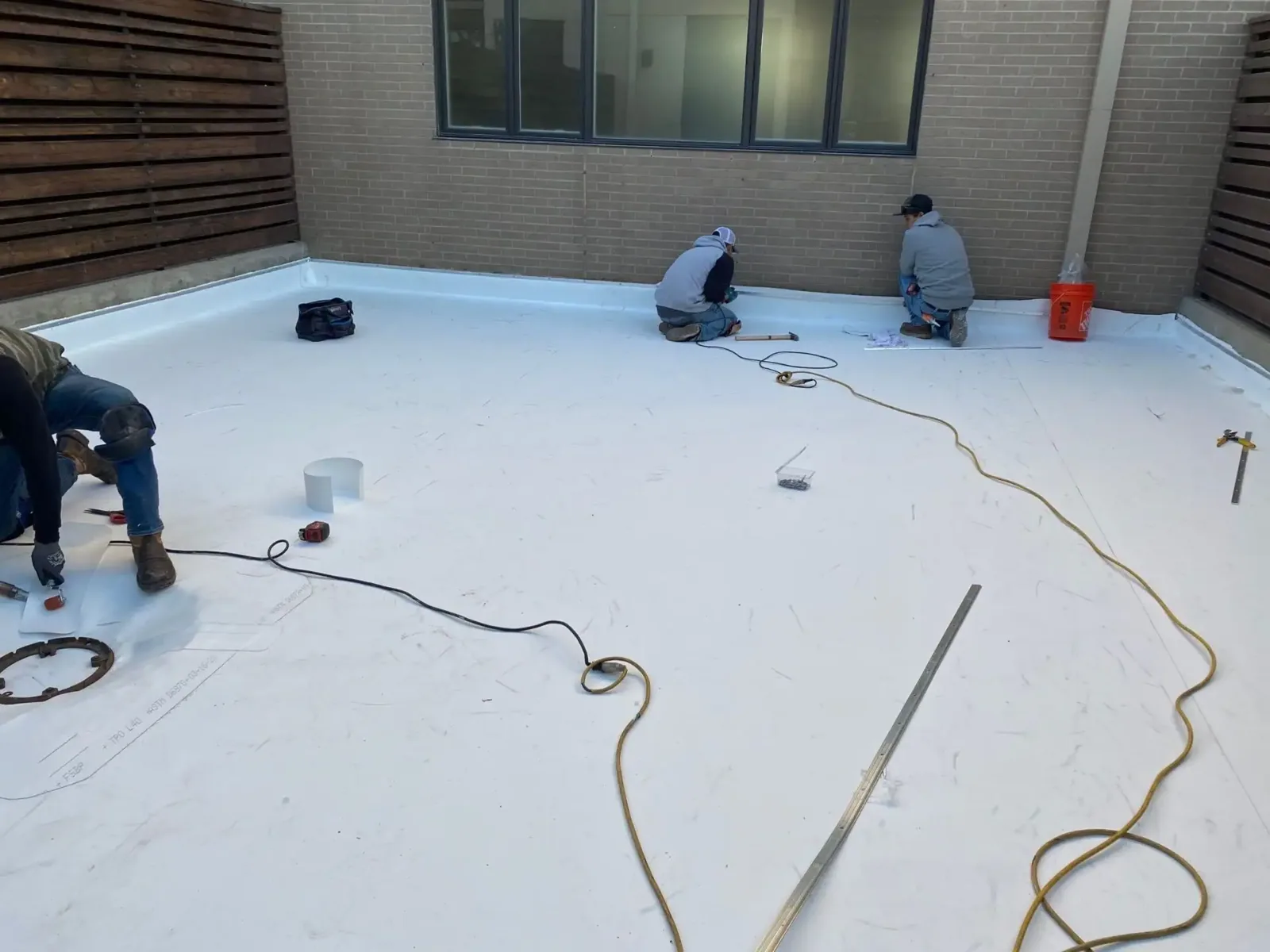
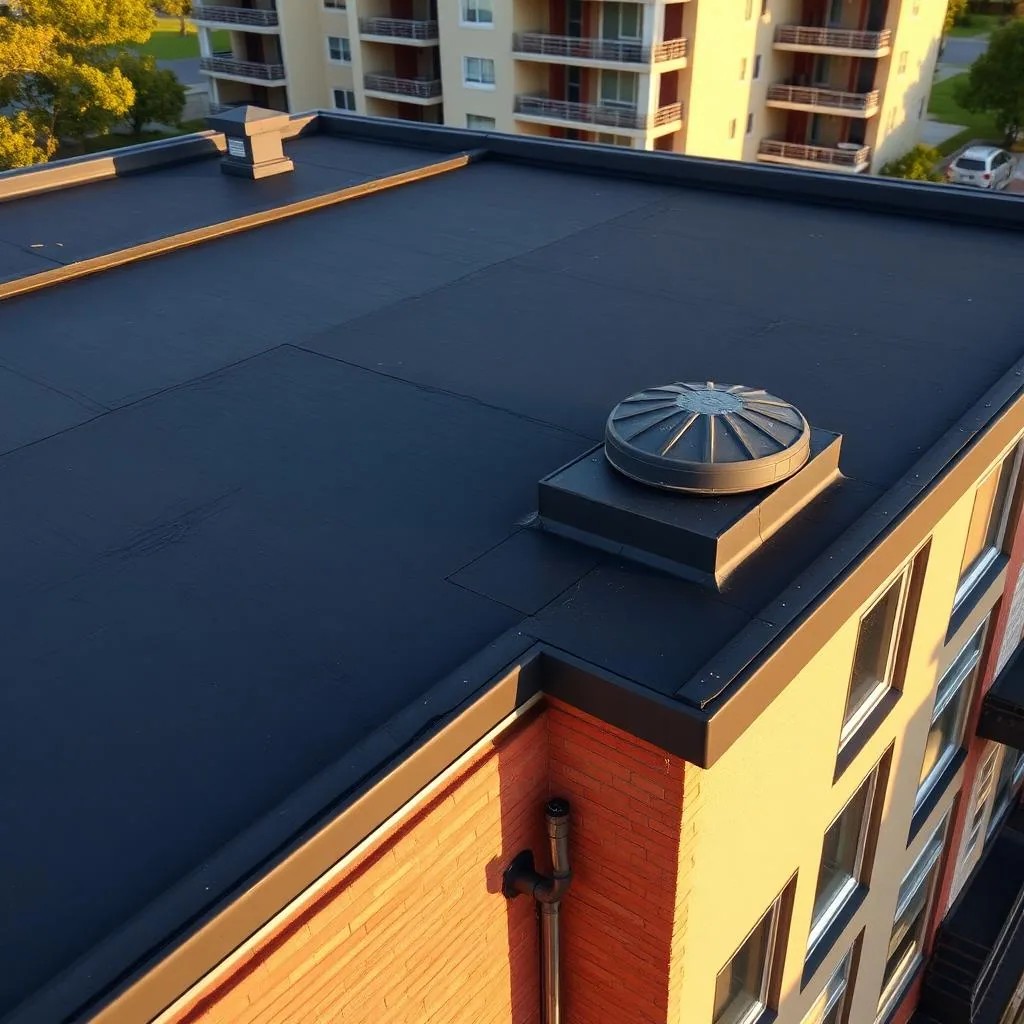
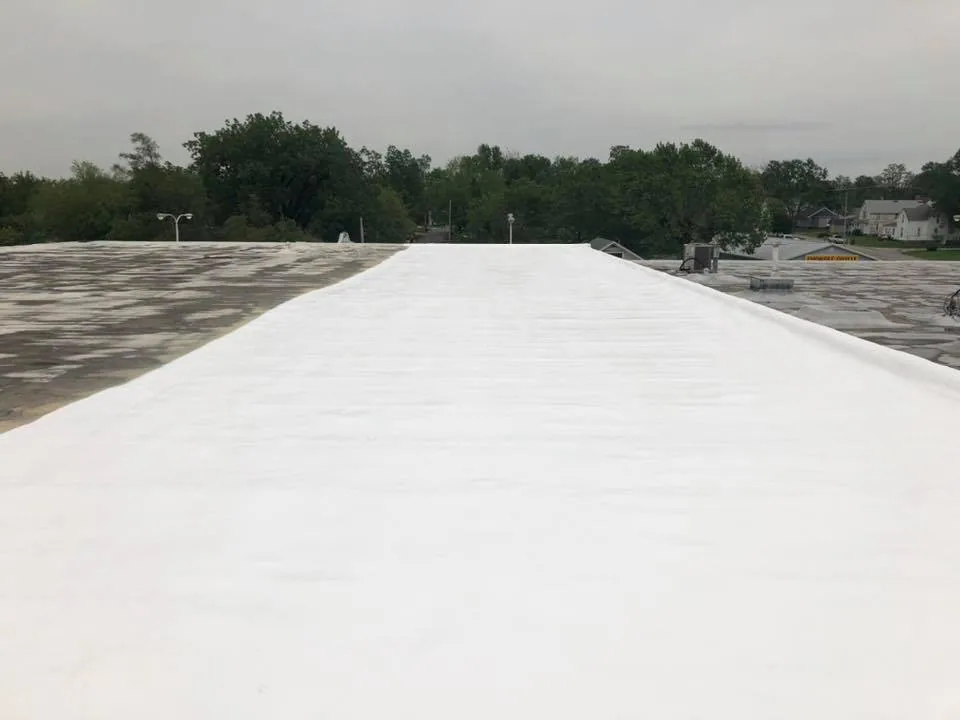
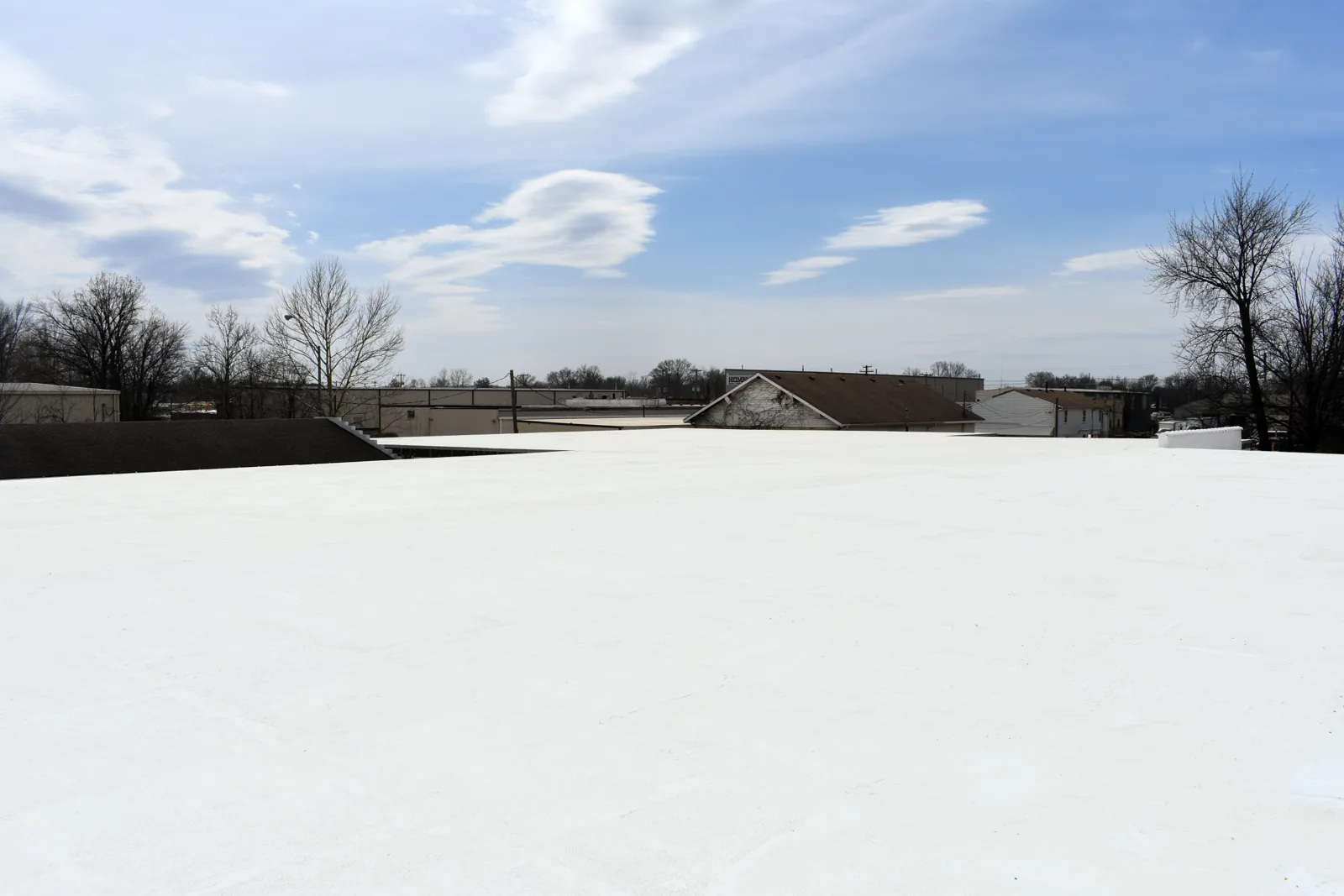
Single-ply sheets are the workhorse of flat commercial roofing. TPO is white, reflective and heat-welded at the seams. PVC is welded the same way and resists grease and chemical exhaust, which matters over kitchens and process rooms. KEE is a PVC formulation made for rooftops that receive oils or fats. EPDM is black rubber that stays flexible in a hard freeze and is spliced rather than welded. Each one is reliable when the seams are probed, the flashings are detailed properly and the attachment is sized for wind.
Layered and fluid-applied roofs
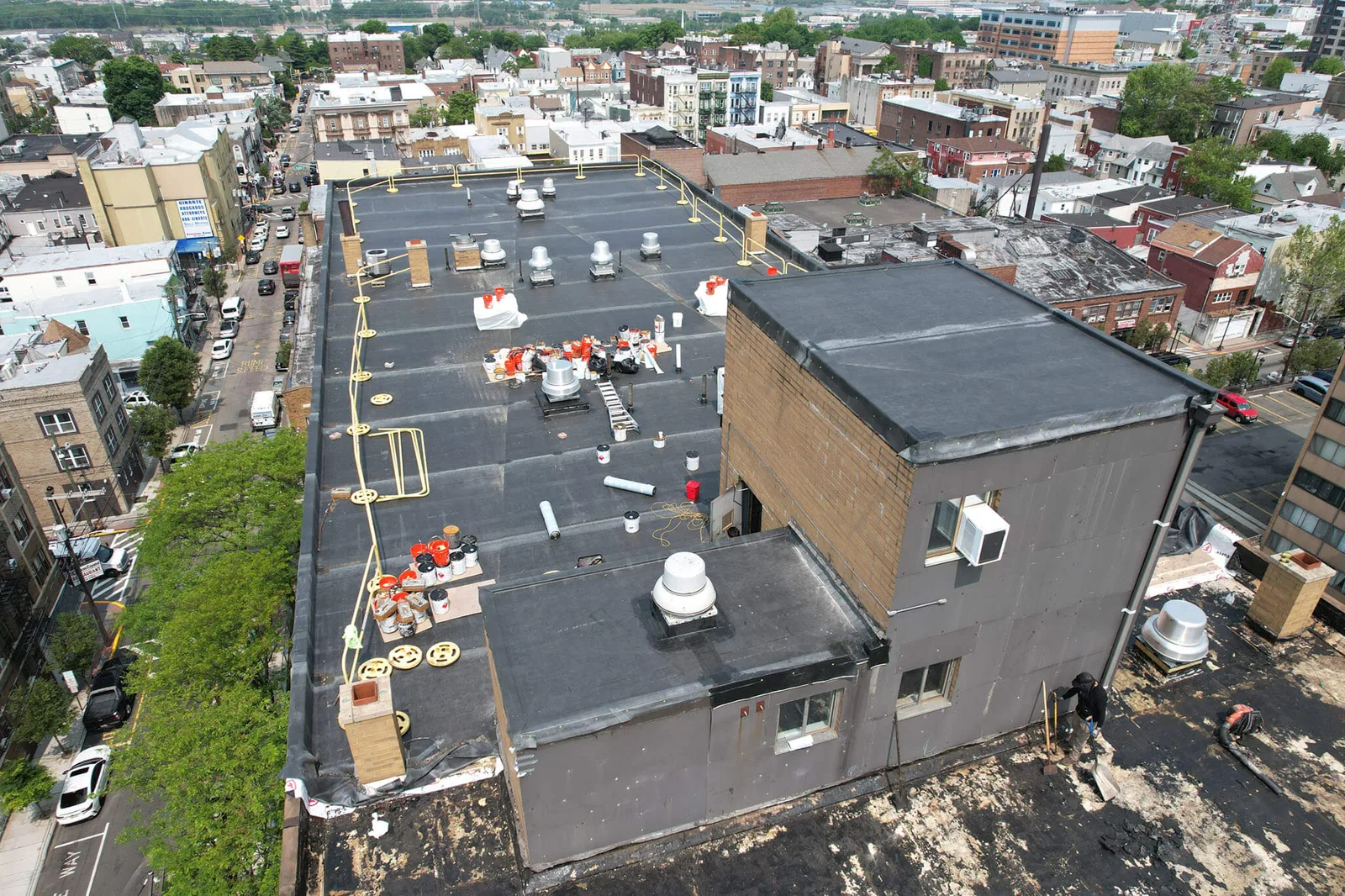
Where a roof takes foot traffic from mechanical contractors or needs redundancy, layered assemblies earn their place. Modified bitumen adds reinforced sheets to the roof in torch, adhesive or self-adhered form, and built-up roofing stacks plies of felt and asphalt under a surfacing. Spray polyurethane foam goes on as a liquid, expands into a continuous insulating layer and needs a protective coating on top. Every one of these suits a different deck, drainage pattern and budget, and the right one often comes from what is already up there.
Metal and coatings
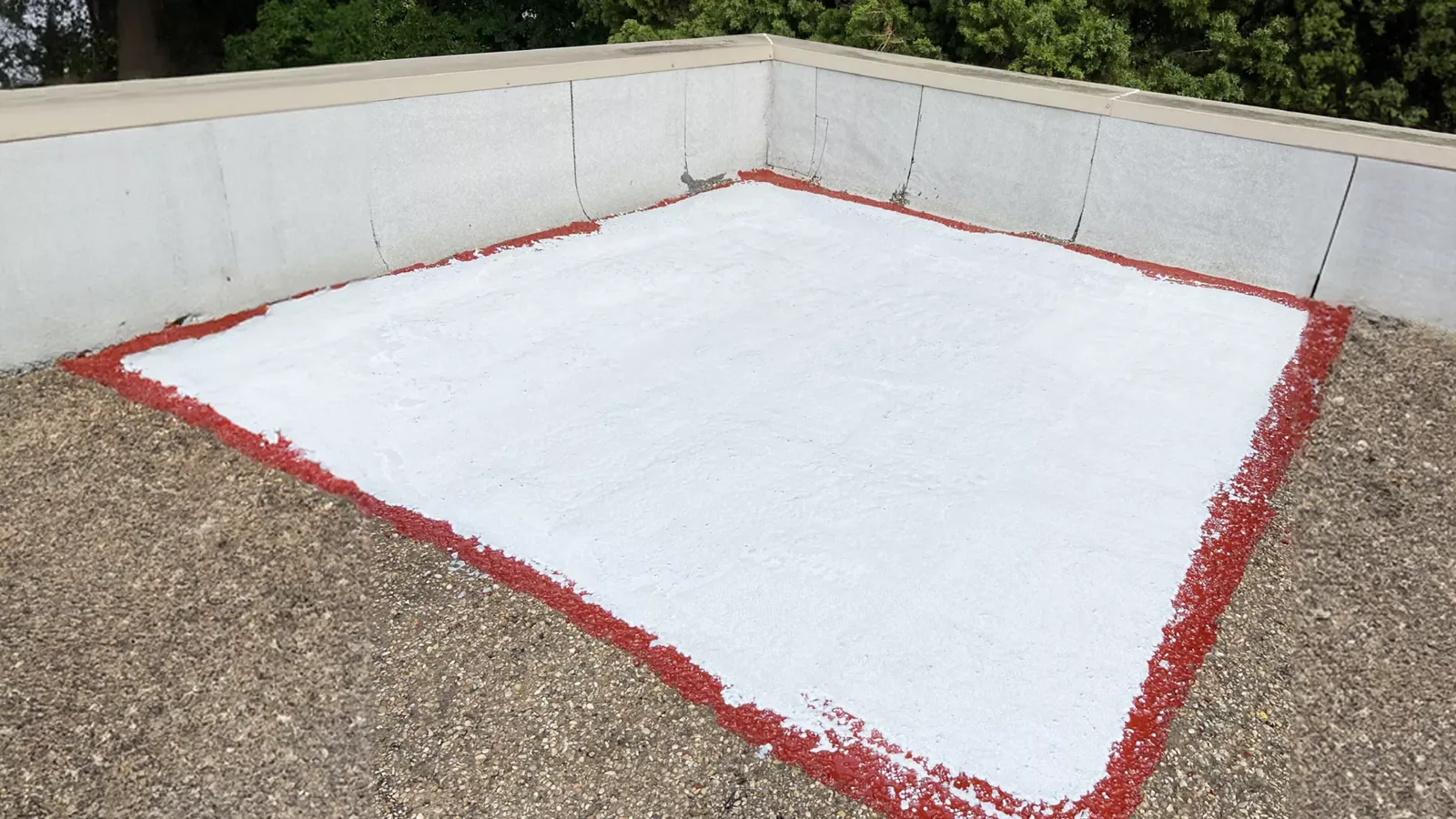
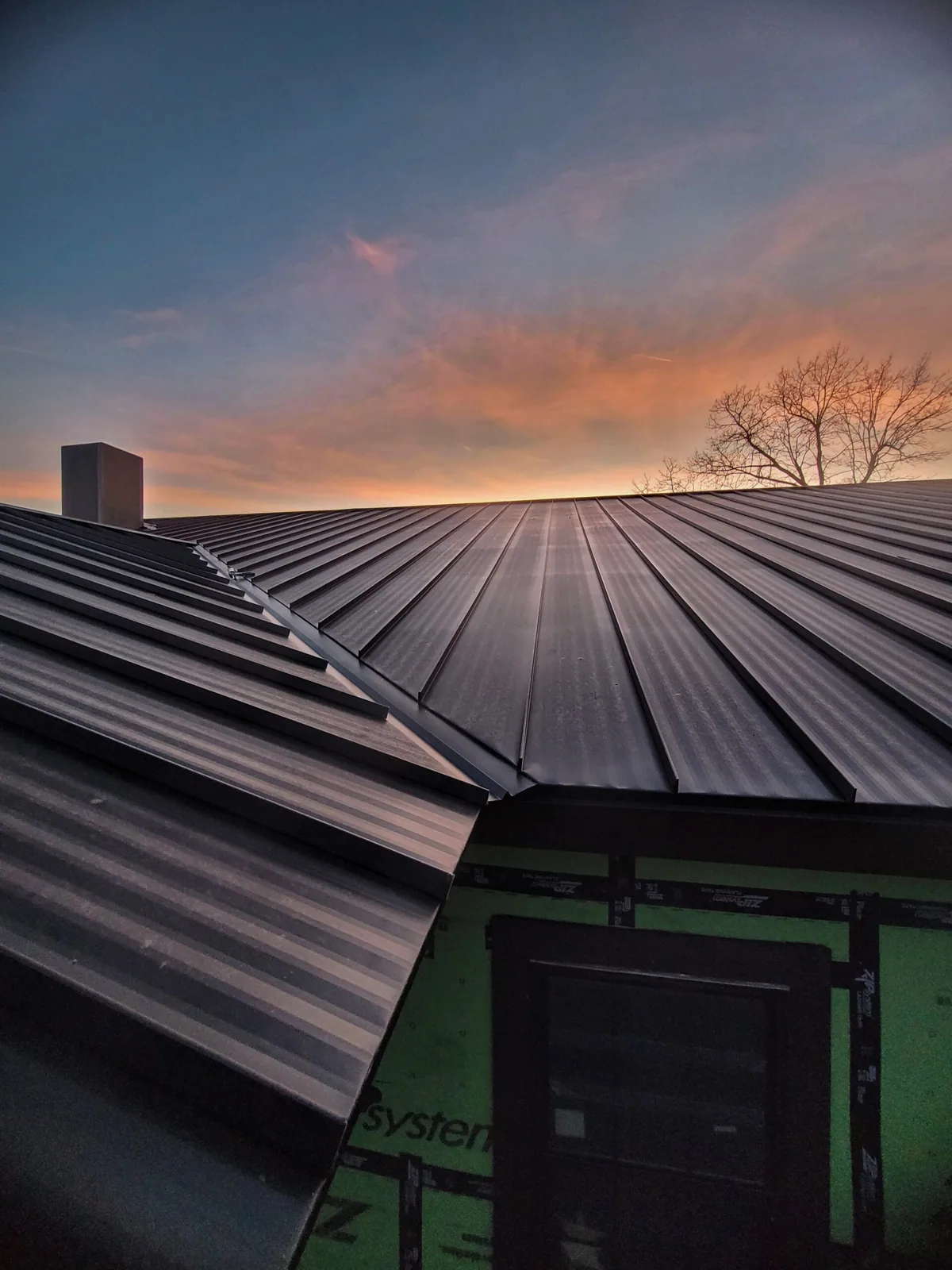
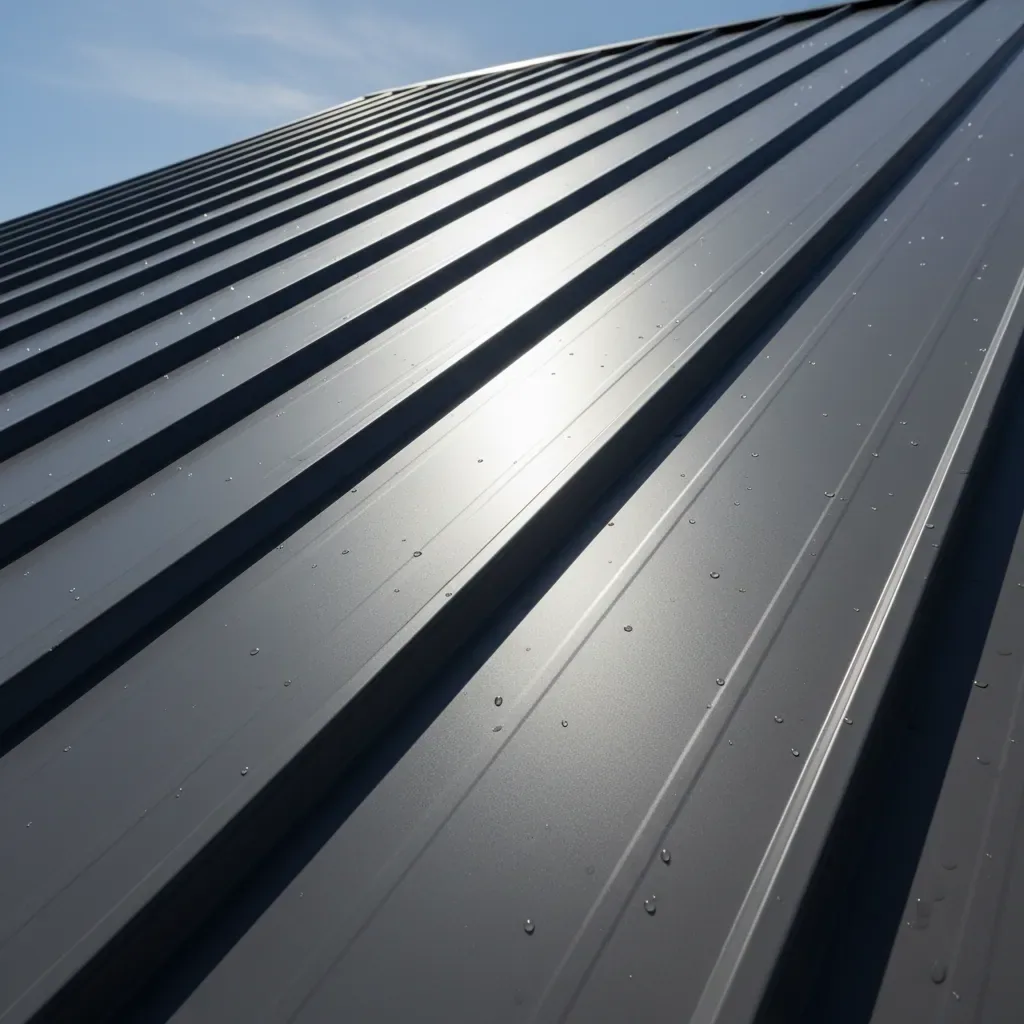
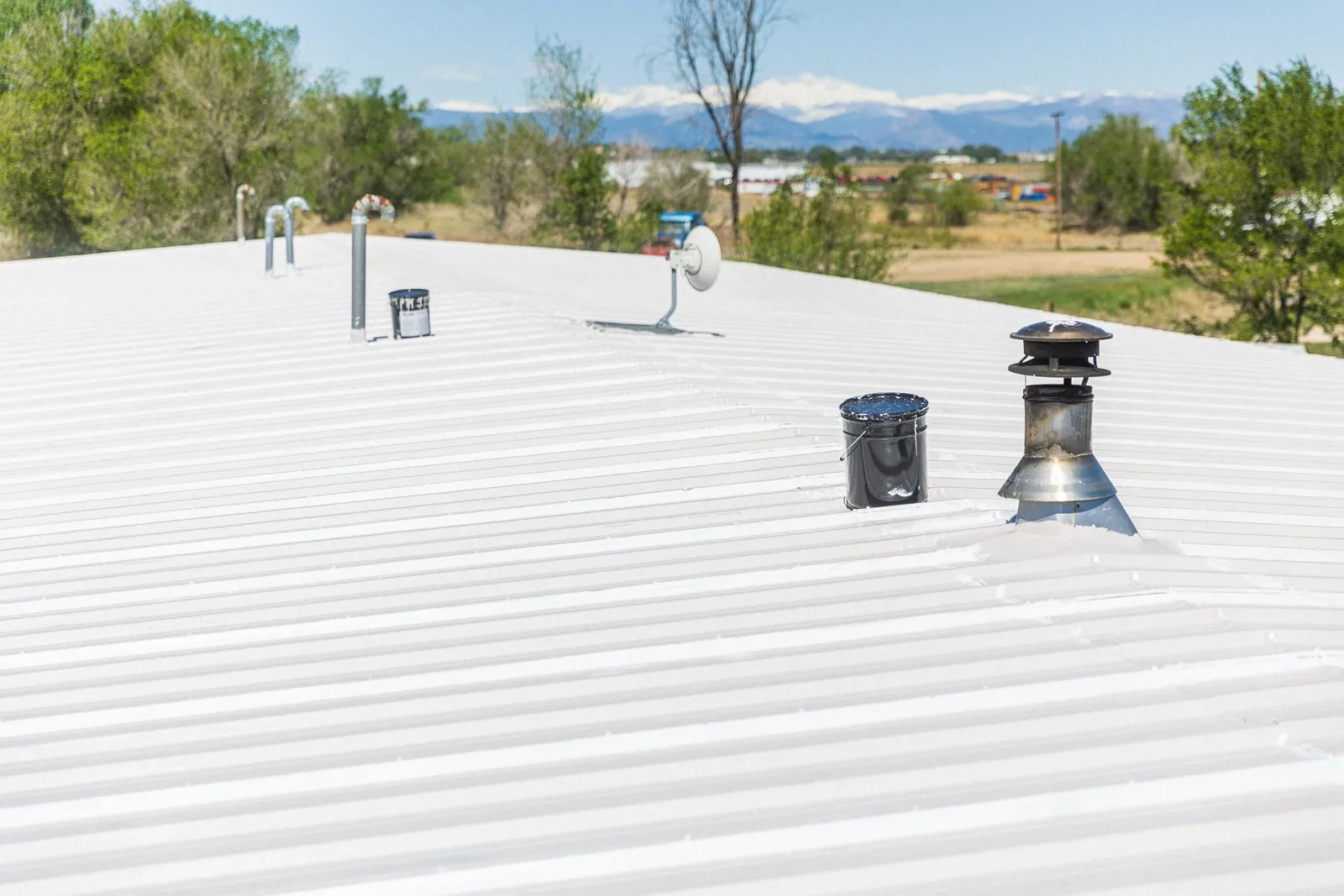
Metal roofs shed snow quickly, which is good for load and bad for whoever stands below an unguarded eave. Standing seam panels suit low-slope and steep-slope buildings with clips that allow thermal movement, and a metal roof retrofit can go over an old roof when the framing will carry it. For a membrane that is sound but weathered, silicone handles ponding water well and acrylic works where water drains freely, each extending service life without a tear-off.
Matching the building to the sheet
The same system rarely suits every address. East of the city in Elkhart, the building stock is dominated by large-format manufacturing and assembly plants, and wherever one of them has a low-slope roof, seam quality, drainage runs and attachment spacing carry the load. In the Renaissance District, a tenant that adds rooftop equipment needs penetrations flashed cleanly and a roof that tolerates repeat trades. At University Park Mall on Grape Road, major tenants stay open under the roof, so any work there is planned around occupied space. We walk the roof, test the insulation and read the drainage before a recommendation goes on paper.
Commercial Roofing Questions
How does snow drifting change which system is a good fit?
Drifts form behind parapets and around rooftop units, and the weight of wet snow concentrates there. Membranes in those zones need fully secured, well-lapped flashings and a drainage path that lets meltwater leave before it refreezes at the drain.
Can a new membrane be installed over the one already on the roof?
Sometimes. The existing insulation has to test dry, the deck has to accept fasteners and the added weight has to be acceptable, so a moisture scan comes before any promise. When those conditions fail, tear-off is the right answer.
What should a manager check after a freeze-thaw week?
Look for ice at drains, lifted seams, split sealant and movement at rooftop curbs once access is safe. Photograph the location before clearing debris, then check again after meltwater has drained.
When is snow removal appropriate on a roof?
It depends on the building structure, drift depth and the roof system. If loading or movement is a concern, involve a qualified structural professional and use a removal plan that protects the membrane and workers.
Talk to Our Team
Tell us where the water is landing, what the roof is made of and when the building is easiest to reach.
Phone: 555-555-5555
Email: [email protected]