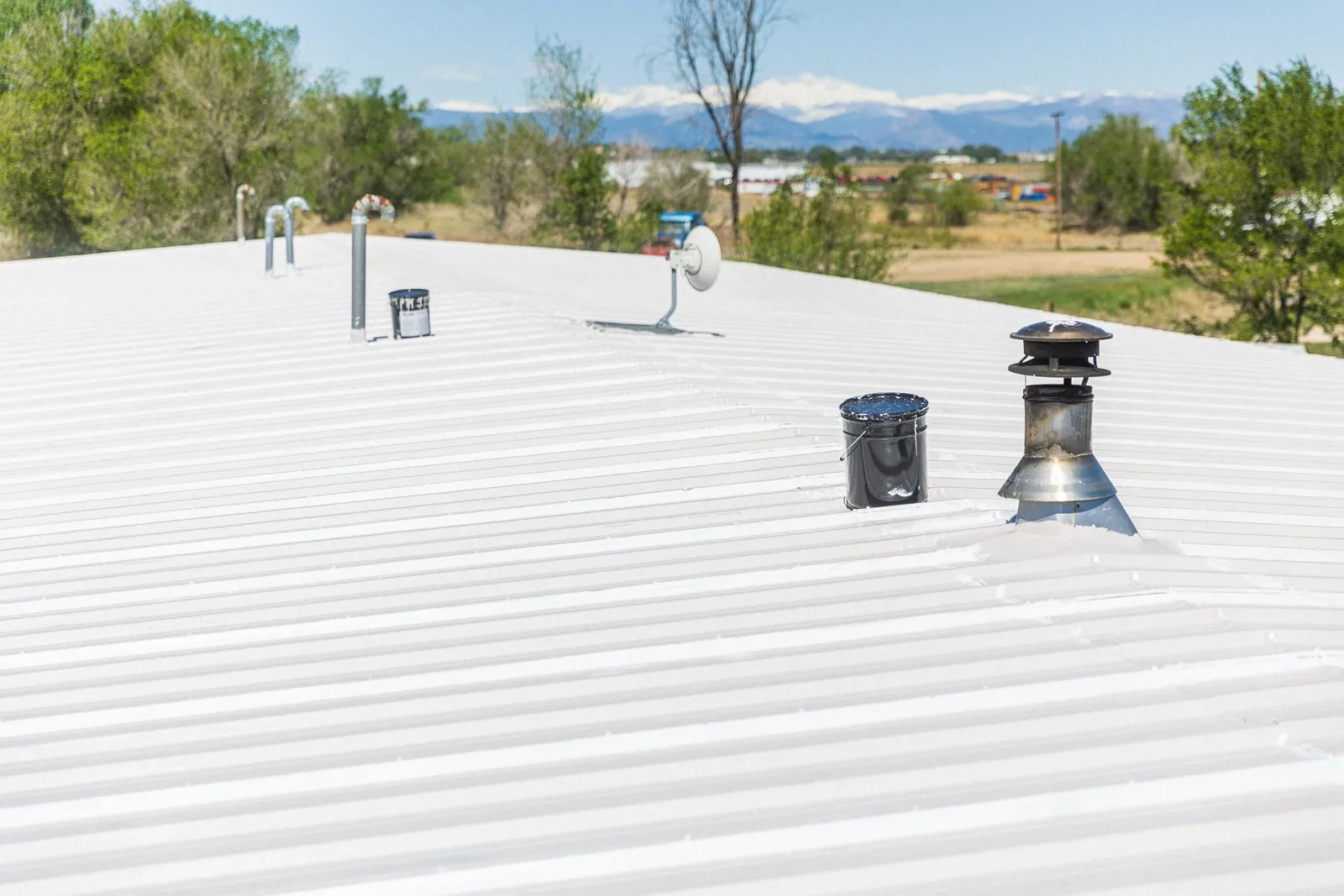
On the first mild afternoon of spring, a building engineer drags a gloved hand across the membrane and the glove comes away gray with chalk. The roof is not leaking, and no tenant has called, but the surface that once shed sunlight has worn down to bare material, and the seams along the rooftop units are starting to open at their edges. That is the roof an acrylic coating suits. Applied over a sound, dry surface that drains cleanly, an acrylic system can restore reflectivity and protect a South Bend, IN roof without a tear-off. It is a narrower tool than people expect, and it only works when the roof is chosen for it.
Water-based and dries in the open air
Acrylic coatings are carried in water, and they harden as that water leaves. The result is a bright, flexible, UV-stable film that bonds well to many existing surfaces and reflects far more sunlight than an aged dark membrane does. Cleanup is simple, and the odor is mild enough that tenants downstairs rarely notice it. The drawback comes from the same chemistry. A coating that cures by evaporation needs a dry surface and dry hours afterward, and a coating that has not finished curing can wash out in a sudden shower. Once cured, it behaves differently around water. Brief rain is no trouble, but long exposure to pooled water can soften it, which sets the limits on where we use it.
Only for roofs that drain
We walk the roof the day after a rain, because that is when the answer is visible. A roof that sheds water within hours is a good candidate. One that keeps a pool beside the drain for days belongs with silicone, or needs a drainage fix before any coating. Rain or snow measures on about 148 days a year in South Bend, and 4.88 inches in a single day in August 1995 is the 24-hour record. Low spots can sometimes be built up with tapered insulation, and a roof that holds water in other places is checked the way ponding water repair requires. Acrylic goes on after the water has a path, not before.
Metal, built-up and single-ply surfaces
Acrylic is a common choice over metal roofs, where it seals the seams and fastener heads and reflects heat off the panels. A rusted panel gets wire-brushed, treated and primed before anything else, and every screw head is sealed. Over an old built-up roof or smooth-surfaced single-ply, a clean, primed surface usually accepts it well. A metal roof retrofit may be the better route if the panels are too far gone to hold fasteners. We never take an adhesion claim on faith. A test patch goes on the actual roof, cures for a few days, and gets pulled before the order for the full material is placed.
Thickness and fabric at the seams
A thin coating fails early, so the work is measured in applied thickness, not in coats counted from the truck. Acrylic goes down in more than one pass, and the seams, flashings and penetrations receive reinforcing fabric or mesh embedded in wet material, with an extra layer over the top. The roof field then receives its coats at the rate the product requires, and the crew checks the wet film as it goes. Hail is part of the reason. South Bend took 1 inch hail on June 1, 2019, and Mishawaka saw 0.7 inch, and a coating with proper build and reinforced seams withstands that kind of impact better than a thin skim does. Small impact marks are patched as hail damage repair before the field is coated.
The fall freeze is the risk
The coating season here runs from late spring into early autumn. The average last freeze falls near May 1, the first of the fall comes near October 18, and cool, damp mornings in between can keep a surface wet. Acrylic hates a freeze before it has cured, and it hates a cool, damp morning that keeps the surface wet. A crew can lose days to dew alone. That is why we favor an early start, with scope and materials settled in winter, so the roof goes in during the first stable weeks of May or June. A coating that goes on in late October invites trouble, and we will tell an owner to wait for spring rather than apply it into a forecast of freezing nights.
Buildings where it earns its place
Acrylic fits large, lightly equipped roofs with good fall to the drains, and we look for that profile on larger commercial roofs in the region. Elkhart is called the RV Capital of the World, with large manufacturing and assembly plants, and an owner running a plant like that has good reason to weigh a coating against a recover. Commercial buildings on the U.S. 20 and State Road 331 routes through Mishawaka face the same trade-off, as does industrial space at the Indiana Enterprise Center in New Carlisle. For those owners, a roof coating restoration is often the most economical step before a recover or replacement is unavoidable.
Winter, then the follow-up visit
The first winter tests the coating. Snow drifts against parapets and rooftop units, ice builds at the drains, and the lake-effect event of November 2022 put 22.7 inches on South Bend International Airport. After the thaw we walk the roof for lifted edges, cracked seams and anything that held water, and photograph what we find. The property manager receives the photo log along with the product used and the thickness applied, the same record that goes with a preventive maintenance visit. Acrylic recoats easily, so the long plan is a fresh coat on schedule, kept honest by what those visits find.
Commercial Roofing Questions
Is acrylic really cheaper than silicone, and where does the saving go?
Material cost is one factor, but the roof's drainage and preparation needs can change the overall scope. The savings can disappear if the roof ponds, because acrylic needs a better drainage plan or earlier recoating. We price the coating, the repairs and the test cuts together so the owner sees the full figure, not only the cost per gallon.
Can we put acrylic on top of an existing silicone coating?
No. Acrylic does not hold to cured silicone, so a roof that already carries silicone should be recoated with silicone or stripped. When coating history is unavailable, we test adhesion on a small area before selecting material. Past maintenance records can help narrow the options, while the test checks compatibility on the roof.
What if rain arrives the afternoon after the crew coats?
A light shower on a coating that has already skinned over is usually harmless. A downpour on fresh material can wash it off the roof and into the drains. That is why we watch radar from the day before, coat early in the morning, and stage the work in sections so no more roof is open than the crew can finish before the weather changes.
Will a bright white coating show every stain after a few seasons?
Some staining is normal, especially under rooftop equipment and where water runs off a drain. Washing the roof every year or two brings most of the reflectivity back. Heavy ponding stains are a different matter and point to a drainage problem that the coating cannot repair by itself.
We have a standing seam roof with loose fasteners. Does a coating help?
It can, provided the panels are sound and the fasteners can be tightened or replaced first. Coating over screws that keep backing out only hides the movement for a season. We inspect the panel laps and clips, replace what has failed, and then seal and coat. If the panels have lost too much metal to rust, we say so in writing.
Related Roof Work
- Silicone Roof Coatings
- Ponding Water Roof Repair
- Metal Roof Retrofit and Restoration
- Hail Damage Roof Repair
- Elkhart
- Mishawaka
- Roof Coating and Restoration
- Preventive Roof Maintenance
Talk to Our Team
Tell us where the water is landing, what the roof is made of and when the building is easiest to reach.
Phone: 555-555-5555
Email: [email protected]