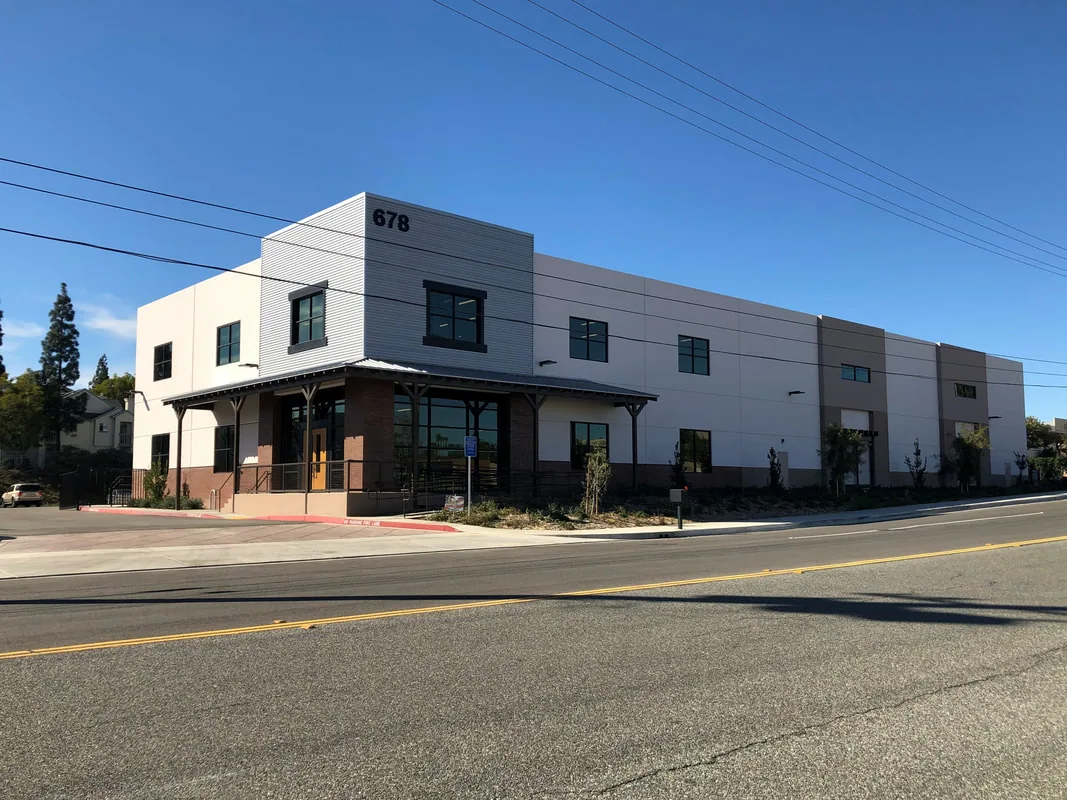
Two days before a closing, the buyer's engineer sends a property condition report with one line marked in yellow: the roof over the flex-building roof shows blistering and ponded water, and nobody has put a number on the repair. The asset manager has a lender waiting, a seller who insists the roof is fine and no roof photographs newer than last spring. For an investor, an unresolved roof condition can become the open item in the transaction file.
We work that moment in order. A crew walks the roof, cuts cores where the report says wet, scans with infrared after sunset and writes up what it finds in a form that both a lender and an investment committee can read. After the closing, ongoing roof work can follow a plan that ties repairs and replacement to the asset's hold period instead of waiting for the next leak. The first step for many buyers is a due diligence roof survey ordered while the seller still controls access.
Before the lender calls back
The walk begins with the paperwork a seller will hand over, which is usually thin: an old invoice for a patch, a warranty page with no drawing attached, a roof plan that no longer matches the roof. We compare those pages against what is actually on the building, count the layers where an edge allows it, mark every past repair, and photograph drains, scuppers and the places where a lower roof meets a taller wall. If the seller allows it, we take cores through the membrane to see whether the insulation underneath is wet, and an infrared moisture survey after dark shows where the cores should go. The result is a short written finding, photographs tied to each item and a plain statement of what is urgent, what can wait and what is unknown.
What a buyer's report leaves out
A general inspector looks at a roof from a ladder and at a hatch. A roof survey asks different questions. How is water leaving this building, and does it have somewhere to go in a 4.88 inch day like South Bend's 24-hour record from August 1995? Are the seams on the second repair still bonded? Does the equipment sit on curbs flashed to the membrane, or on supports that someone cut through it? At the Indiana Enterprise Center in New Carlisle, where listings run from 108,150 to 992,620 square feet of space, a careful underwriter asks those questions of the roof before pricing anything else on the building, and the same questions apply to smaller flex industrial roofs.
Empty space still takes the rain
Vacancy hides roof problems. A building with no tenant has no one to notice a brown ring on a ceiling tile or a damp smell near an exterior wall, and a stain can spread for months before an owner learns of it. A vacant box on a Grape Road retail site, like the former Sears space at University Park Mall, raises the same question for any owner who holds one: who walks the roof, who clears the drains after a snow, and when. For a vacant building we recommend a scheduled walk after each major storm and before the first freeze, with photographs delivered to the asset manager, so water damage is found while it is still a small repair.
Spending by hold period
A roof reserve should follow the plan for the building, not the roof's age alone. An asset that will be sold in a few years needs different treatment from one held for a long cycle: dry, sound insulation under a tired surface may suit a restoration coating that carries the roof past the sale, while wet insulation calls for replacement whatever the hold plan says. We price both paths in the same terms, covering tear-off or recover, insulation thickness, penetrations, access and phasing, so the committee compares scopes instead of single numbers. The longer hold also has to assume weather. South Bend's record gust is 92 mph, from August 22, 1996, and edge metal and attachment must resist wind of that kind. Those scopes slot into a roof capital plan that a committee can fund year by year.
Newer parks, newer paperwork
The Studebaker corridor is being redeveloped for technology and data uses, so a property acquisition there calls for a current roof-condition record alongside other building documents. Ignition Park covers 140 acres of former Studebaker ground, with a build-out above three million square feet slated for technology tenants, with listed suite areas at the Studebaker Innovation Center ranging from 25,315 to 300,000 square feet. When the roof is new, the owner's concern is the warranty file: who installed it, which system it is, what maintenance the manufacturer expects, and what voids coverage. A roof warranty file kept with the property, rather than with a person who may leave, holds those documents together. At the Indiana Enterprise Center, where listed spaces run close to a million square feet, the park's roofs reward owners who keep the paperwork together.
Findings an investment committee can read
Every report we write is built for someone who will never climb the roof. Findings carry a number, a photograph and a recommendation, and costs are described by what drives them. Repair items, replacement phases and unknowns are listed separately, so a lender sees what is committed and a committee sees what remains uncertain. The same file works for an insurer after a loss and for a property manager taking over day-to-day work, which is why we hand it to the property management company as well. For owners with several buildings, the findings roll up into one ranked list, and logistics operators who lease from them can read the same roof records.
Commercial Roofing Questions
How soon can a roof survey be ready ahead of a closing?
Timing depends on roof access, the size of the building and the testing the findings require. Snow or ice can limit the walk and delay core testing. Share the transaction deadline and seller records so we can discuss the scope and sequence before scheduling.
What does a roof survey tell a lender that a general inspection does not?
It separates a stained surface from a wet roof. Cores and infrared mapping show whether insulation has absorbed water, which is the difference between a patch and a replacement, and a lender can underwrite that distinction. The report also marks every past repair, so an unexplained history of leaks is visible before the loan documents are signed.
Should a seller repair a leaking roof before listing or credit the buyer?
Repair what stops water now, such as open seams, failed flashing and blocked drains, and leave the rest of the decision to the numbers. A seller who hands over a survey and a dry-in record can negotiate from facts. Credits make sense when the work is a full replacement that the buyer will want to scope and schedule alone.
How is a reserve built for a building we may sell in a few years?
Work backward from the date of sale. Ask what the roof must look like for the next buyer's engineer to accept it, then price the least work that gets there: maintenance if the insulation is dry, a coating if the surface is tired but sound, replacement if the survey shows wet insulation. We write each path as a separate scope so the reserve can follow the plan.
What happens when hail reaches several of our buildings on the same night?
We sequence by exposure and by who is underneath, then document each building separately for its own adjuster. Hail on June 1, 2019 measured 0.7 inch in Mishawaka, 1 inch in South Bend and 1.25 inches near Crumstown, so stone size changed from one place to the next. A building can show bruising that its neighbor does not, which is why each roof gets its own walk.
Related Roof Work
Talk to Our Team
Tell us where the water is landing, what the roof is made of and when the building is easiest to reach.
Phone: 555-555-5555
Email: [email protected]