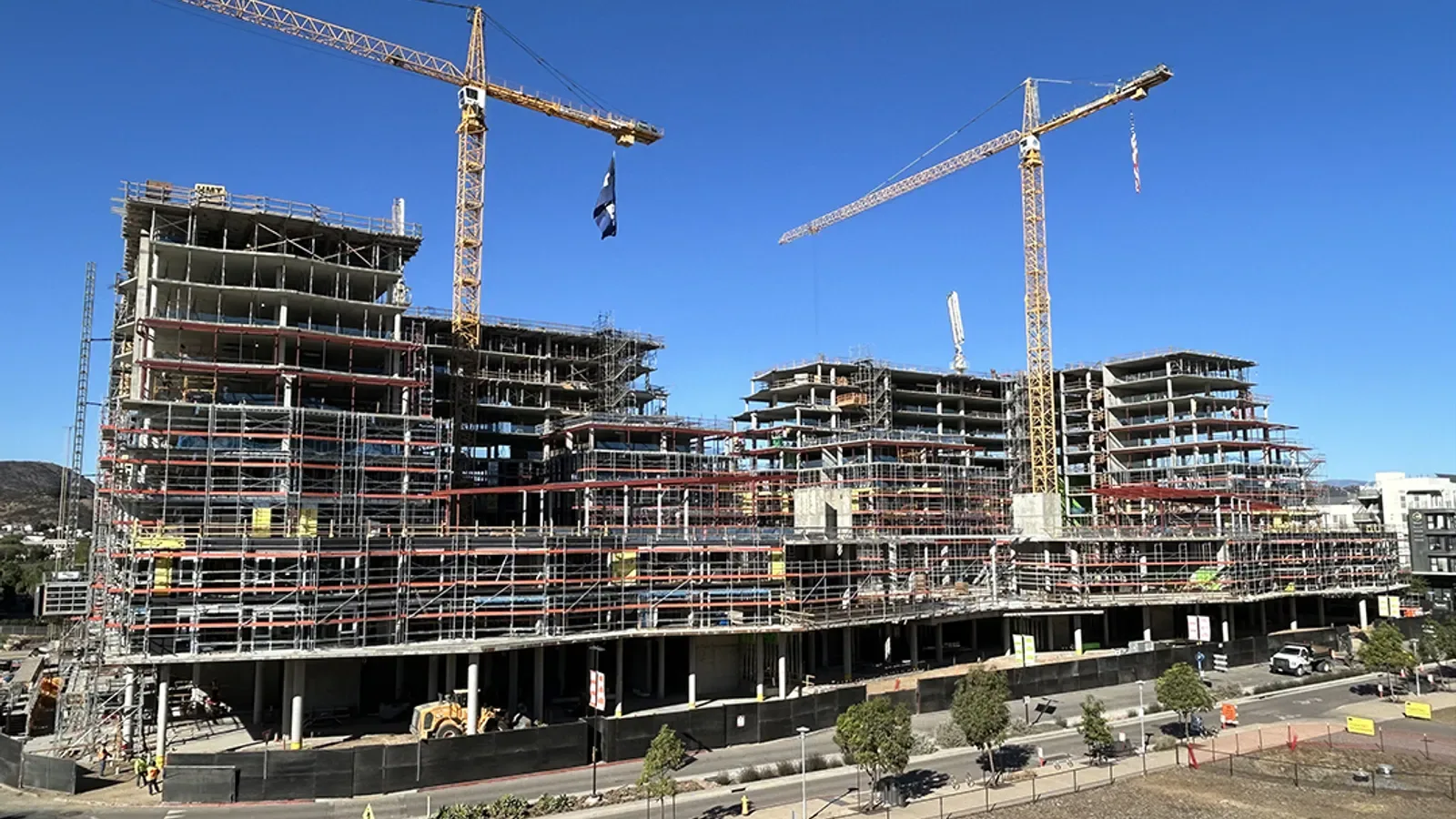
The call from a superintendent usually comes on a Thursday, with a drawing set in one hand and a forecast in the other. The mechanical subcontractor has set the rooftop units, the framing inspector has signed off, and the owner expects the building dry before the finish trades start inside. Then a rain band stalls over St. Joseph County and the deck is still open. In South Bend, IN the gap between the last structural work and a closed membrane is where schedules slip, so the first thing we ask on that call is what is already on the deck and what is due to follow it.
We act as the roofing partner a general contractor can hand one section of the schedule to. A proposal arrives with the sequence written out, the dates the crew needs the roof clear, and the handoffs to the mechanical, electrical and sheet metal trades. When the job changes, the superintendent talks to one person who knows the roof, not a rotating office. A new building, a tear-off and replacement on an existing one and a tenant fit-out with a new curb all begin with the same walk of the roof.
Where roofing sits in the sequence
Roofing is the trade every other trade is waiting on, and it is also the trade the weather controls. Here the average first freeze arrives on October 18 and the average last freeze on May 1, so a project that reaches the roof in late fall works in the cold range of most membranes and adhesives, while a spring start runs into some of the 148 days a year that bring measurable precipitation. At the preconstruction meeting we tell the superintendent which parts of the roof can go down in cold weather, which wait for a warm window, and what temporary protection carries the building in between. A roof schedule that assumes dry days will not hold, so the fallback for rain days is written before the first load is hoisted.
Existing roofs before demolition
On renovation work the roof is the first unknown. Before anyone prices the interior, we walk what is up there: how many layers the cores show, whether the insulation is wet, where water ponds between bays, and what condition the curbs and parapet walls are in. An infrared moisture survey maps wet insulation without cutting the roof, and a few cores confirm what the scan suggests. The photo log and marked roof plan go into the general contractor's bid, so the owner does not hear about wet insulation for the first time halfway through the job. A building in the former Studebaker complex, now being redeveloped for technology and data uses in the Renaissance District, needs this walk before the scope is fixed. Owners buying a building ask for a due diligence roof survey along the same lines.
Keeping the trades below dry
Every trade under the roof has a stake in it, and a roof still under construction is the most exposed it will ever be. We close each day's work with a tie-in at the edge of the new membrane, seal the night joint and set weights where the wind can reach it, so the crew leaves no open area at dusk. Openings for ducts, pipes and units are flashed as they are cut, and the sheet metal and mechanical trades receive a plan of the curbs and supports before they set equipment. In winter a half-finished roof carries drifts against new parapets and rooftop units, so the plan names who removes snow and how it is done without cutting the membrane.
Scope lines that keep change orders small
Most roofing change orders trace back to three items the bid left vague: insulation thickness, who flashes the curbs, and deck repair found after tear-off. We write each as a named line. The insulation line states the thickness the code requires, and a cover board is called out where the specification asks for one. Local building departments, South Bend's among them, apply the 2014 Indiana Building Code (drawn from the 2012 IBC) to commercial work, and the energy code in force is the 2010 edition, which points to ASHRAE 90.1-2007. A state rule to adopt a newer edition is pending without an effective date, so the bid names the edition it assumes. Deck repair is priced by an agreed method, so a rotted section found under the old roof turns into a measured addition, not a dispute.
Large sites and repeated details
Industrial and technology parks reward a roofing contractor who can repeat one detail across a lot of building. The South Bend Airport Business Park lists twelve industrial spaces, and the Indiana Enterprise Center in New Carlisle lists units up to 992,620 square feet. The first phase at Ignition Park, a multi-tenant building of 43,000 square feet, sits on former Studebaker ground meant to grow toward roughly 3 million square feet of high-tech space. At that scale, the general contractor needs roof zones sequenced clearly and the same flashing detail carried from the dock doors to the far wall.
Closeout the owner can use
At the end of the job the general contractor owes the owner a roof package, and we assemble it as the work goes. It holds the final walk with photographs, a drawing of the finished roof showing drains, penetrations and curbs, any manufacturer warranty paperwork the specification calls for, as issued by the manufacturer, and a short maintenance recommendation. Owners who pass the building to property management companies or hold it for real estate investors will ask for those records at the first leak or the first sale. A follow-up visit after the first thaw, when seams and drains have met their first test, closes the file.
Commercial Roofing Questions
How early should a roofing contractor join a project?
Before the roof drawings are final is best, because the choices that cause trouble later are made at that stage: slope to the drains, where units sit, how many penetrations the mechanical design needs. A conversation then can move a curb or a drain before it is built. If the project is already bid, bring us in at the first submittal, and we will review the roof section against the structure and the schedule.
Who answers for the roof if another trade damages it?
Responsibility follows the contract between the general contractor and each subcontractor, so the traffic rules belong in it. We recommend marked walk paths, protection boards where trades must cross the membrane, and a walk of the roof with the superintendent before and after heavy equipment sets. Our photo log fixes the roof's condition on the day we hand it over, which makes any later damage easy to place.
What happens when rain is forecast and the deck is open?
We stop installing at the point where the day's work can still be sealed, and we leave the edge of the new membrane tied in and weighted. Anything beyond that is left until the forecast clears, and the superintendent hears about the change the same morning. Materials stay covered on the ground or staged on the roof under ties. The schedule shows rain days as planned float so a stopped day is not a surprise.
Can you price a recover against a full replacement for an owner who has not decided?
Both options go into one proposal, laid out line by line so the owner can compare insulation, penetrations, deck repair and phasing. A TPO recover over sound insulation is a different scope from a tear-off, and an infrared scan tells the owner which one the roof can support. The general contractor presents the owner with the choice and the reasoning, not a single number.
How do roof warranties and records reach the owner at turnover?
Collect them in one packet at closeout rather than as separate emails. Any manufacturer warranty comes from the manufacturer, and we supply the installation records and photographs it asks for. The packet also carries the as-built roof drawing and the maintenance recommendation, so the owner's facilities staff can inspect the roof against a known starting point after the first winter.
Related Roof Work
- Commercial Roof Replacement
- Infrared Roof Moisture Surveys
- Due Diligence Roof Surveys
- Rooftop Equipment Curbs and Supports
- Roof Insulation, Tapered Systems and Cover Board
- Ignition Park
- Property Management Companies
- Real Estate Investors and REITs
- TPO Roofing
Talk to Our Team
Tell us where the water is landing, what the roof is made of and when the building is easiest to reach.
Phone: 555-555-5555
Email: [email protected]