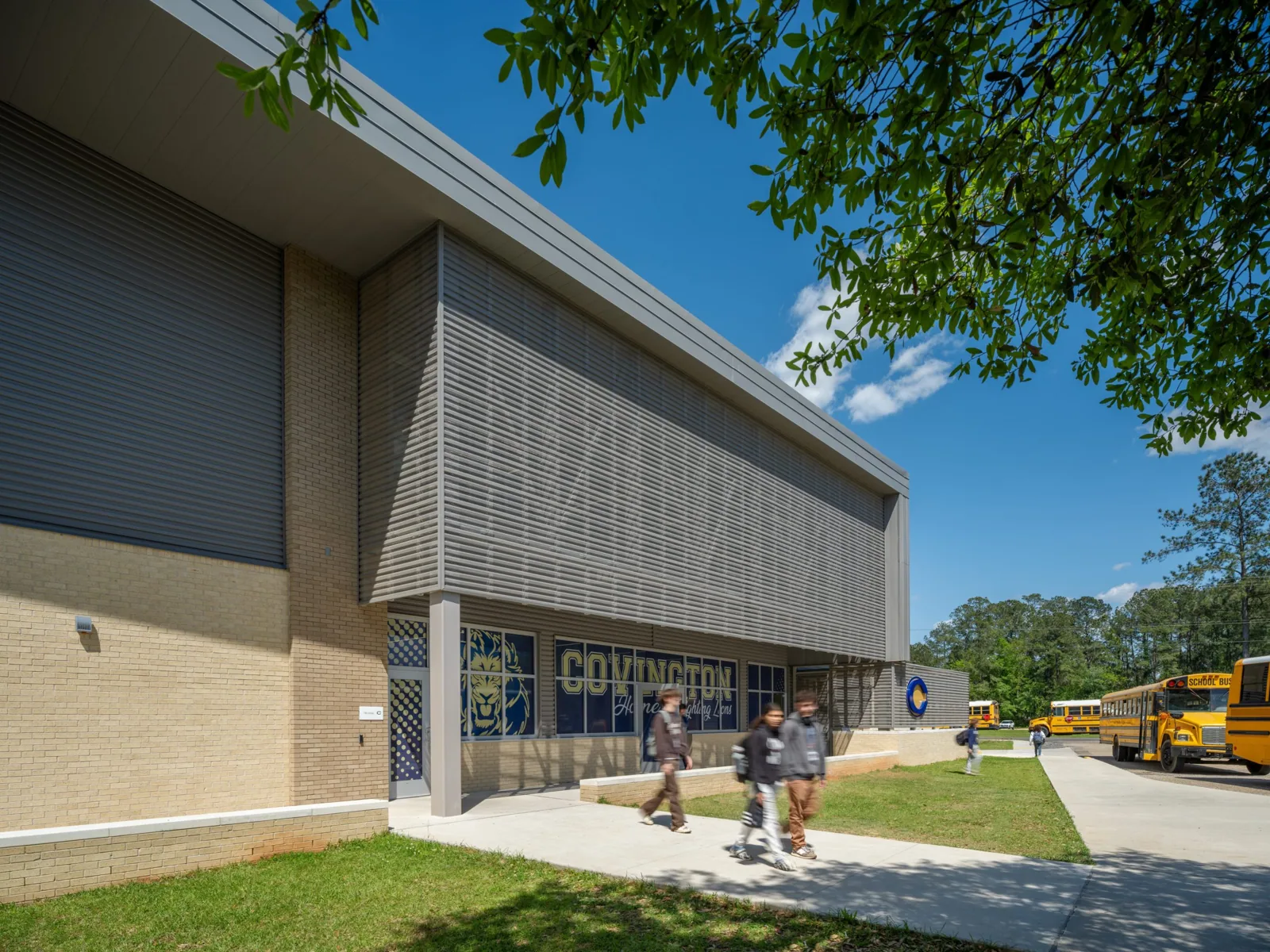
The first Monday back from winter break is when a school learns what its roof did over the holiday. A custodian opens the building before sunrise, checks the heat, and stops under a ceiling tile gone brown and soft, with a steady drip landing outside a classroom door. By seven the principal is on the phone, and the question is no longer whether the roof leaked but which rooms are safe today. In South Bend, IN a call like that can follow days of lake-effect snow, a thaw, and a refreeze that left ice at the drains and meltwater hunting for the nearest weak lap.
School roofing differs from roofing a warehouse even with the same membrane. The roof sits over children, the calendar belongs to a district office, and school buildings are often added to in stages, so one roof can really be several roofs of different ages. We work in sequence: make the room safe, find the opening, dry in the area, and then lay out a permanent repair or a commercial roof replacement that a facilities director can carry to a board.
The call from the front office
The first questions are about the building, not the roof. Which wing is affected, and are students or staff in the rooms below? Is water reaching light fixtures, a gym floor, a kitchen or a records closet? While a crew is dispatched we ask that the area be cleared and that buckets and plastic go down only where the floor is safe to stand on. A person answers at any hour on any day, holidays included.
On site the crew's first task is to make safe. We check the access route, the roof edge and the drift load at the step-downs, clear the drains and scuppers so meltwater stops backing up, and trace the wet area from the room to the likely opening above. A temporary dry-in goes on before anything permanent is discussed. The principal then hears which rooms can reopen, which stay closed overnight, and when the follow-up visit will happen.
Several roofs under one name
School buildings grow. A classroom block gets a gym, a cafeteria, a library wing or a mechanical addition, and each arrives with its own roof and flashings where it meets the neighbor. Those junctions get our first hour, along with the drains, the scuppers and every place a lower roof sits beneath a taller wall. Snow drifts against that wall, and a drift load can pile onto a gym or corridor roof in a single storm. We also look for ponding between structural bays, lifted seams near rooftop units, and split sealant at counterflashing.
Kitchen exhaust, boiler flues and rooftop air handlers all pierce a school roof, so each one is photographed, numbered on a roof sketch and checked for wet insulation with a moisture meter. On larger roofs an infrared moisture survey after sunset shows the wet areas the surface hides.
Fitting the school calendar
Summer break is the natural window for a large replacement. A tear-off needs a run of dry days and a sound, dry deck before new insulation goes down, so a proposal requested in late May lands in a crowded schedule. The better sequence starts after the thaw: a condition report, a decision on which buildings go first, and an order placed before June. Any phase that must finish before students return should carry a written fallback, such as a temporary seal over sections not yet closed, because a July hailstorm does not read the schedule.
Work that cannot wait for summer is planned as occupied building reroofing: air intakes protected, staging kept off bus lanes and entrances, and a written notice to staff naming the dates and the roof areas in use each day.
What the weather does to a school roof
The numbers are not exotic. About 64.5 inches of snow falls here in a normal year, and the lake-effect event of November 2022 stacked 22.7 inches at the airport and 20.7 in Mishawaka. With freezing weather arriving around October 18 and leaving around May 1, a school roof goes through freeze-thaw for most of the school year, and water that enters a seam in November has widened it by March. Wind is the other test: the record gust is 92 mph, and the straight-line wind damage along West Indiana Avenue in October 2016 is a reminder of the wind that edge metal has to withstand. Summer adds hail, such as the 1.25 inch stones near Crumstown on June 1, 2019. After a storm like that we walk the roof for fractures, popped fasteners and dented metal, and photograph everything for the insurer before any repair changes the evidence. That walk is the first step of any hail damage roof repair.
Planning across many buildings
Few districts replace everything at once, and few should. South Bend Community School Corporation was the third-largest employer in the city in 2017, and other corporations run schools around Granger (Penn-Harris-Madison), Walkerton (John Glenn), Bourbon (Triton) and Bristol (Elkhart Community Schools). Whatever the size, a district needs a ranked list. We start with a condition report on each roof, then sort by remaining life and by what lies underneath (classrooms, a gym, a kitchen, records). Sound roofs get maintenance, roofs with a dry deck and a tired surface may suit a restoration coating, and roofs with wet insulation go on the replacement list.
Roof capital planning spreads those choices across several budget years, and cost follows roof area, tear-off versus recover, insulation thickness, penetrations, hoist access and the number of phases. The same ranking works for a college campus or a county's government buildings, and a board of school district members can read it without a roofing background.
A record the board can read
A roof decision at a school is usually explained to someone else: a board, a parent group, an insurer. We write for that reader. The report names each roof by building and wing, ties photographs to numbered findings and gives the recommended action with the reason. Dry-ins, repairs and replacement phases are listed separately so a board member can see what is urgent and what can wait. After a storm loss, the photo log, our arrival time and the work performed go to the district's insurer.
Commercial Roofing Questions
Can classes keep running while a school roof is being replaced?
Most of the time, yes, with planning. We split the roof into phases so only one section is open at a time, close each section watertight each evening, keep tear-off and hot work away from air intakes, and set crane and delivery times with the principal so they miss arrival and dismissal. Rooms under the active phase may be moved for noise, and the written notice says which.
Which school roofs should be replaced first?
Start with roofs over the rooms a leak would hurt most that also show wet insulation, repeated leak calls or a membrane with little life left. A gym floor, a library and a kitchen outrank a storage wing. Ask for core samples and an infrared scan first, because a tired surface may be dry underneath.
What happens when a classroom ceiling starts dripping during a school day?
Move the students and staff out first, and put plastic and a bucket under the drip only if the floor is dry and the ceiling is not sagging. Call us with the room and whether it has been snowing. We clear the drains, trace the water to its opening, and install a temporary dry-in on the same visit when the weather permits.
Does hail damage on a school roof show up right away?
Not always. Bruising can leave a membrane looking intact while the reinforcing scrim beneath has cracked, and the leak may not appear until a freeze-thaw cycle opens the fracture. That dated record gives the insurer a specific claim.
How should a district budget roofs across a dozen or more buildings?
Treat it as a rolling program rather than one project. Get a condition report on every roof, rank them by remaining life and by what sits beneath, and assign two or three buildings to each budget year, with the oldest and wettest first. Keep a small reserve for storm repairs.
Related Roof Work
- Commercial Roof Replacement
- Infrared Roof Moisture Surveys
- Occupied Building Reroofing
- Hail Damage Roof Repair
- Granger
- Roof Capital Planning
- College and University Roofing
- Government Building Roofing
- School Districts
Talk to Our Team
Tell us where the water is landing, what the roof is made of and when the building is easiest to reach.
Phone: 555-555-5555
Email: [email protected]