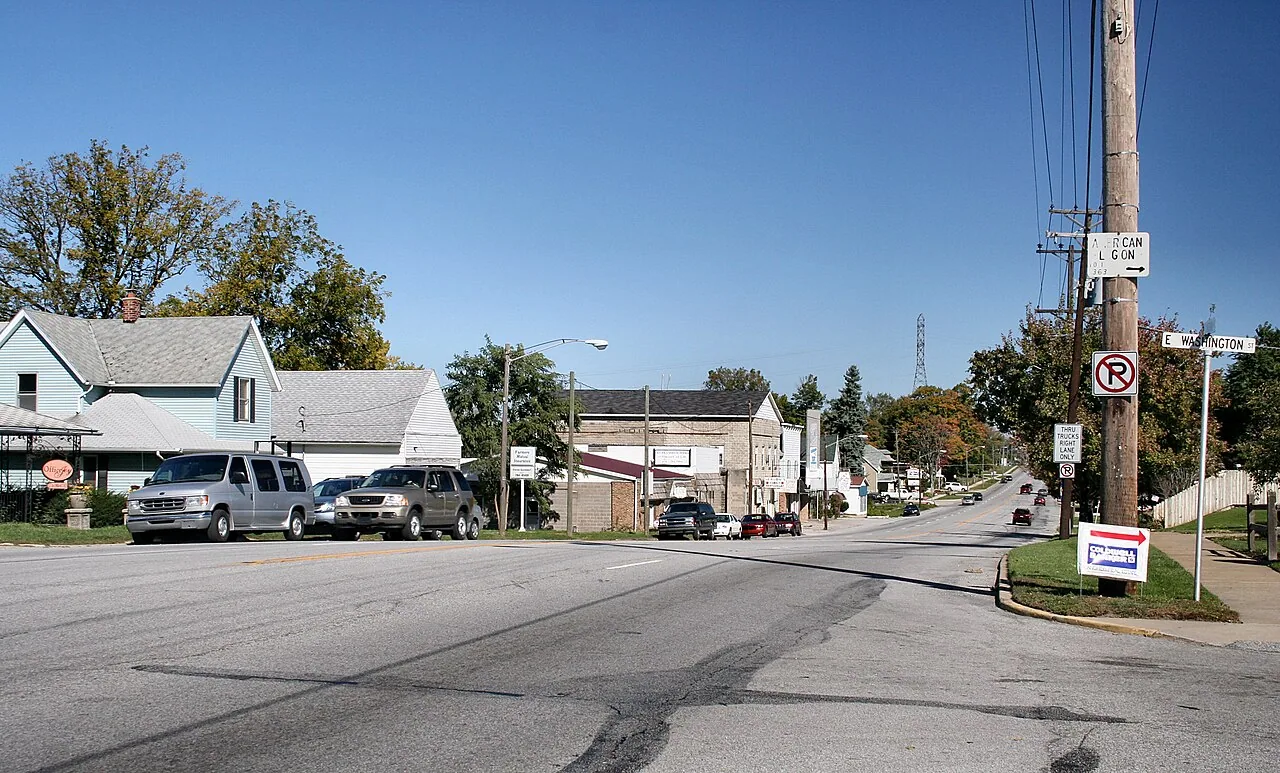
The morning after a storm line crosses the South Bend area, the damage reports tend to come in a particular order. First someone reports a tree on a wire, then a manager finds a wet ceiling at the back of a warehouse, and by noon a property owner wants to know whether the insurer will want photographs. Lakeville is 11 miles south of South Bend, IN in Union Township, and Hoosier Racing Tire Corporation has its headquarters, track services and warehouse there. A storm on June 23, 2019 knocked down trees and power lines and damaged buildings both in Lakeville and out along the Mishawaka bypass by SR 331, so storm damage to buildings is not hypothetical here. The response runs in a set order: make the roof safe, record what is there, then plan the repair.
The order of the first day
When a storm has just passed, the sequence matters more than the speed. We start by confirming nothing structural has moved and that power lines and debris are cleared from the work area. Then comes the make-safe visit: loose membrane secured, openings tarped, drains cleared of whatever the wind put in them, and standing water directed off the roof. Every step is photographed with the roof's address and the date, because the insurer will ask for a record of the roof before anything was altered. The property manager receives that photo log along with a plain statement of what was done and what remains open. Nobody should sign a repair scope on the first day; the first day is for stopping water and collecting the record.
What we check on a warehouse roof
A warehouse in a place like Lakeville is a building where the roof is a broad, quiet surface and trouble hides at the edges and junctions. We start at the dock-side wall flashings and any canopy connections, then check the parapet or edge metal along the perimeter, then walk the field looking for ponding, lifted seams and fasteners that have backed out. Penetrations are fewer than on an office roof, so the ones that exist, such as a vent stack or a skylight curb, deserve close attention. Inside, we look at the underside of the deck near walls and columns for staining. For warehouse roofing, the findings feed a plain report: what is sound, what needs repair now, and what can be planned for next season.
Wind, hail and tornadoes in the county record
The weather record for the South Bend area is the one to plan against. South Bend logged a 92 mph gust in August 1996. In St. Joseph County, a microburst swath ran from Northside Boulevard to Longfellow Road on October 12, 2016, the day two EF0 tornadoes touched down. Hail fell on June 1, 2019, reaching 1 inch in South Bend and 0.7 inch in Mishawaka, and the June 23 storm that damaged buildings in Lakeville came later that same month. Together those events describe the range an owner here should plan for: straight-line wind that lifts edge metal, small hail that bruises older membranes and leaves cracks that do not show until the next thaw, and rotating storms that damage large areas quickly. Hail damage roof repair starts with a survey of the whole roof, not only the spots that were obvious from the ground.
Working with the insurer
An insurance claim moves faster when the roof record is clear. We document the roof with dated photographs, written notes tied to roof areas, and moisture readings where they apply, and we describe damage in terms an adjuster can confirm on a visit of their own. If the adjuster wants to walk the roof, we meet them there. Wind and hail leave different marks, and the report separates storm damage from long-term wear so the claim is not argued about the wrong thing. The temporary work done on a storm damage roof repair visit protects the roof while the claim is open, and the carrier's own process sets the pace of the claim, with roof insurance claim assistance keeping the roof file ready for each step.
From temporary dry-in to a finished roof
Once the claim paperwork and the weather allow, the permanent fix starts. A local repair makes sense where damage is limited and the insulation is dry. A larger event may call for replacing a section or the whole roof, and what moves cost and timing is how much insulation is wet, how many old layers need to come off, and how long the supply chain for the membrane runs. In Indiana the statewide commercial code applies, so attachment is checked against the state building code, and insulation values follow the 2010 Indiana Energy Conservation Code. After the work, a follow-up visit after the first rain confirms the seams and flashings are holding, and the photo log is added to the roof file. The same process applies to a damaged building in Mishawaka or near Grape Road corridor.
When a repair cannot be completed in one weather window, the temporary covering is logged as a separate task, not mistaken for the finished roof. We photograph its edges, identify the area that still needs permanent work, and set the next inspection around the surface condition. That handoff gives the owner a clear check after rain or meltwater and keeps a temporary measure from disappearing into the maintenance file.
The crew leaves a clear access route, protects drains from tear-off debris, and checks the active work zone before the building closes for the day. At closeout, the roof sketch marks each completed repair and any area held for a later phase, giving the next maintenance visit a reliable starting point.
Commercial Roofing Questions
A storm passed through last night and our roof looks fine from the ground. Should someone still go up?
Yes, a ground-level look misses most of what a storm does to a low-slope roof. Wind can lift a seam without tearing it, small hail can crack a brittle membrane, and a loosened coping may not show until the next freeze. A technician walks the roof, photographs anything unusual, and checks drains for debris. If everything is sound, you have a dated record that helps if a claim comes up later.
What does the insurer need from us after a roof event?
Dated photographs of the roof as it was found, a description of what was done to make it safe, and a written assessment of damage by roof area. We provide all three, and we can meet the adjuster on the roof. Keep any receipts for emergency work and do not discard removed material until the adjuster has seen it. A clear record shortens the conversation.
How do we tell wind damage from ordinary wear on a warehouse membrane?
Wind damage tends to be directional: lifted or torn membrane at corners and edges, displaced copings, debris scars on the downwind side. Wear is more even, with surface crazing, shrinkage and seams opening across the whole roof. We map what we find against the storm's direction and the roof's age, and the report states which is which, so the claim and the repair plan address the right problem.
Is it better to patch after hail or wait for the full survey?
Do both in order: protect the interior with a temporary repair now, then survey the full roof before any permanent patching. Patching without a survey can hide bruised areas that will leak at the next thaw. The survey also gives you a complete picture to put in front of the insurer, so one claim covers everything found.
Related Roof Work
- Warehouse Roofing
- Hail Damage Roof Repair
- Storm Damage Roof Repair
- Roof Insurance Claim Assistance
- Mishawaka
- Grape Road in Mishawaka
Talk to Our Team
Tell us where the water is landing, what the roof is made of and when the building is easiest to reach.
Phone: 555-555-5555
Email: [email protected]