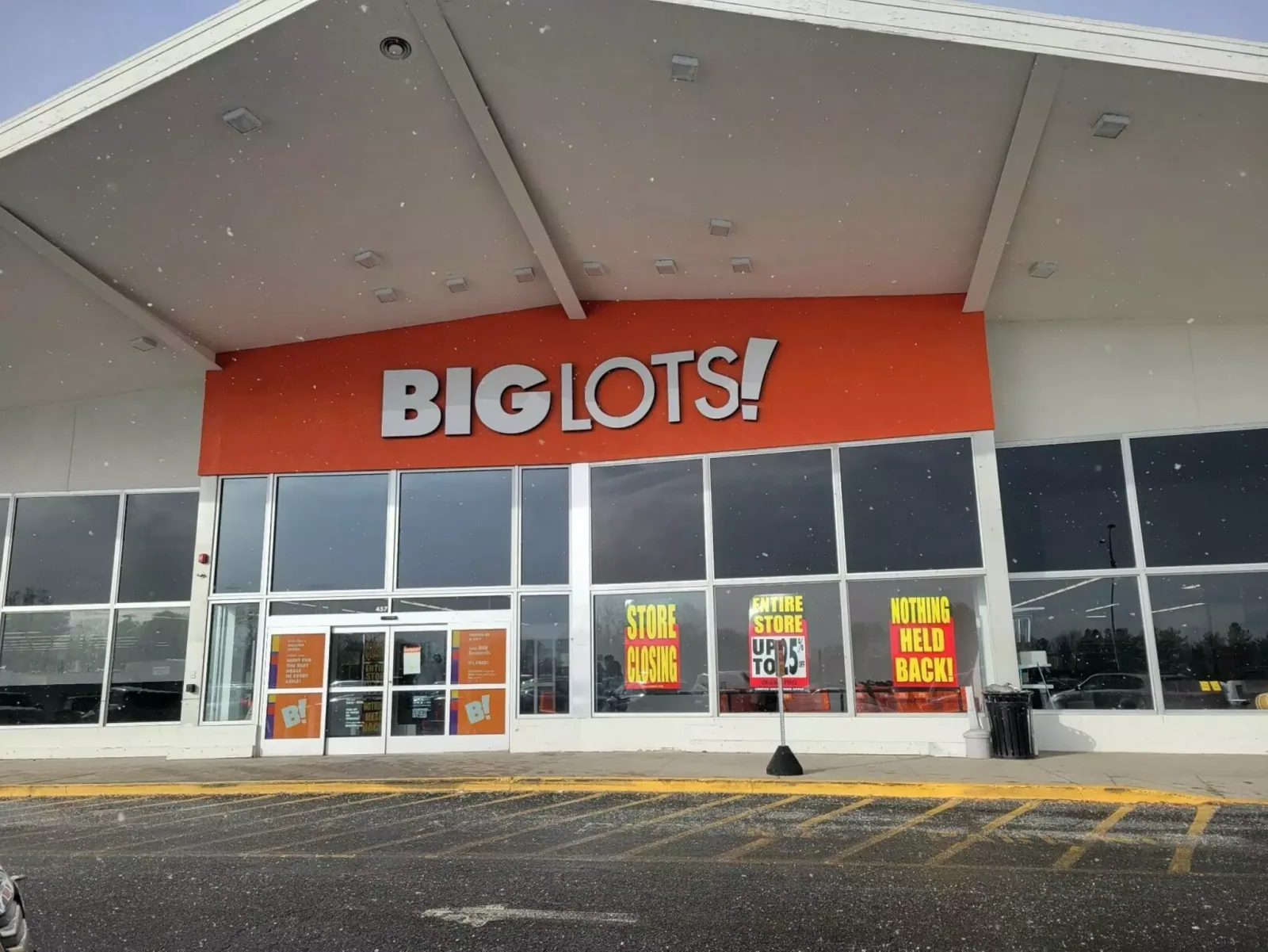
A store manager walks in before opening and finds the first aisle dark and wet, with a ceiling tile on the floor and a line of drips falling onto a pallet of seasonal stock. Doors open in ninety minutes, the regional office wants to know by phone whether the store trades today, and nobody can say whether the water is coming from a rooftop unit, a drain or a seam far from the stain. For a South Bend, IN store, the first decisions are practical: which aisles stay open, where water may be traveling, and what information the roof inspection needs. The permanent plan, whether repair, recover or replacement, comes after the building is dry and the stock is protected.
Before the doors open
We ask four things on the first call: where the water is landing, what sits beneath it, what the temperature and precipitation did overnight, and when the store must open. Electrical panels, pharmacy and electronics departments and food displays rank ahead of general merchandise, so we tell the manager what to cover and what to move first. After access and weather conditions are assessed, the roof inspection checks drains, traces the wettest ceiling back toward a likely opening, and identifies temporary protection that suits the assembly. Where the store must stay open, the manager can coordinate repair work around quieter hours and receive a photo log of the findings.
Everything that pokes through
A big-box roof is a field with obstacles. Rooftop units, exhaust fans, smoke vents, hatches, plumbing stacks, conduit and sometimes skylights pierce the membrane, and each carries a flashing that someone installed once and a technician has stepped beside ever since. We look for worn traffic paths between units, where boots have scuffed the membrane or opened a seam, and for refrigerant lines and conduit resting on blocks that crush the surface under them. Every time a unit is swapped, the curb and the flashing around it are disturbed, which is why a leak that begins a month after an equipment change usually traces back to the curb. Properly built rooftop equipment curbs and supports and walk pads along the routes technicians take protect that work.
Water that has nowhere to go
Large flat roofs live or die by drainage. South Bend's 24-hour rainfall record is 4.88 inches, set on August 2 and 3, 1995. A clogged internal drain can leave water standing on a store roof and press it against seams and flashings. In winter the problem changes shape: ice at the drains keeps meltwater from leaving, and each freeze lifts the water against laps and flashings. High winds and rain on April 1, 2016 ended with part of a county building's roof collapsing in Mishawaka, and water flooded the top floor. We clear and test every drain, confirm that overflow scuppers sit at the right height, and map ponding after rain. Fixes range from drain and scupper work to tapered insulation, depending on what the deck allows.
Working around the sales floor
Stores run on two clocks, the retail day and the delivery schedule, and roof work has to fit between them. We plan around receiving times, keep staging away from the loading dock and customer entrances, and open the roof in sections so the stockroom, the sales floor and the garden area are never all exposed at once. Hot work stays away from fresh food and pharmacy departments, and fresh-air intakes are covered while adhesives or torches are in use. The retail calendar helps set the work sequence. The owner can place disruptive tear-off in a lower-traffic window, while seasonal weather and curing conditions determine when a replacement can proceed. A roof recover over a dry, sound roof keeps tear-off dust and noise lower than full replacement.
Storms on the open lot
Retail boxes sit on open lots, so wind and hail reach them without interruption. The strongest gust ever logged at South Bend reached 92 mph, straight-line wind struck along West Indiana Avenue in October 2016 while a separate microburst cut a path between Northside Boulevard and Longfellow Road, and June 2019 hail reached 1 inch in South Bend. Edge metal, copings and the perimeter of the membrane take the first load, so we check attachment there before anything else. Drift load builds against parapets and rooftop units after lake-effect snow, and the 22.7 inches that fell at the airport in November 2022 shows how fast that happens. After a storm, one walk of the roof and one written report give the regional facility office what its insurer needs.
When a box changes hands
Big boxes go dark and get re-tenanted. University Park Mall has a vacant former Sears box while Barnes & Noble, JCPenney and Macy's remain active, and any buyer or incoming tenant eyeing a space like that wants the roof's condition before signing. A due diligence roof survey with infrared imaging and core samples puts the roof's observed condition and repair choices in front of the lender and owner together. Chains that run many stores benefit from multi-site roof programs, where the same inspection format is used at every location. Neighboring formats raise their own concerns, from a grocery store with refrigeration on the roof to an inline shopping center with many tenants. Retail along the Grape Road corridor and through Mishawaka shares most of these conditions.
Commercial Roofing Questions
How is it settled whether a big-box store stays open during a leak?
The manager and the roofer look at three things: where the water lands, what is under it, and whether the wet area can be roped off. A drip over empty floor can be managed with plastic and a bucket while the dry-in goes on. Water over electrical gear, a pharmacy or a food display usually closes that part of the store until the area is dry and safe.
What does a roof inspection look like at a store that never closes?
The inspection can take place while the store trades, with access coordinated through the manager. Inside, we need a contact to point out stained ceiling tiles and a hatch or ladder. Drone imagery and infrared scanning can survey areas without entering sales aisles; report timing depends on the roof size and any testing needed.
Why do leaks return after a rooftop unit is replaced?
The curb flashing can be disturbed when a unit comes off, and the new unit may not match the old footprint. We check counterflashing, sealant at the curb corners and fasteners near the unit, then coordinate the roof detail with the equipment installer before the work is closed.
Does the whole roof need replacing if only one section ponds?
Not necessarily. Ponding in a single bay may come from a blocked drain, a deflected deck or tired insulation. We clear the drains, measure the depth of water after rain, and take core samples at the low spot. If the insulation is dry, tapered insulation and new membrane over that bay can solve it, while saturated insulation across the field points toward full replacement.
What should a regional facility manager keep on file for each store?
Keep the roof sketch, the photo log from each visit, the membrane type, the date of the last repair, any warranty paperwork and the names of contractors who have worked on the roof. A short yearly report with dated photographs makes insurer questions, lease talks and budget requests quicker to answer, and shows which stores need attention first.
Related Roof Work
Talk to Our Team
Tell us where the water is landing, what the roof is made of and when the building is easiest to reach.
Phone: 555-555-5555
Email: [email protected]