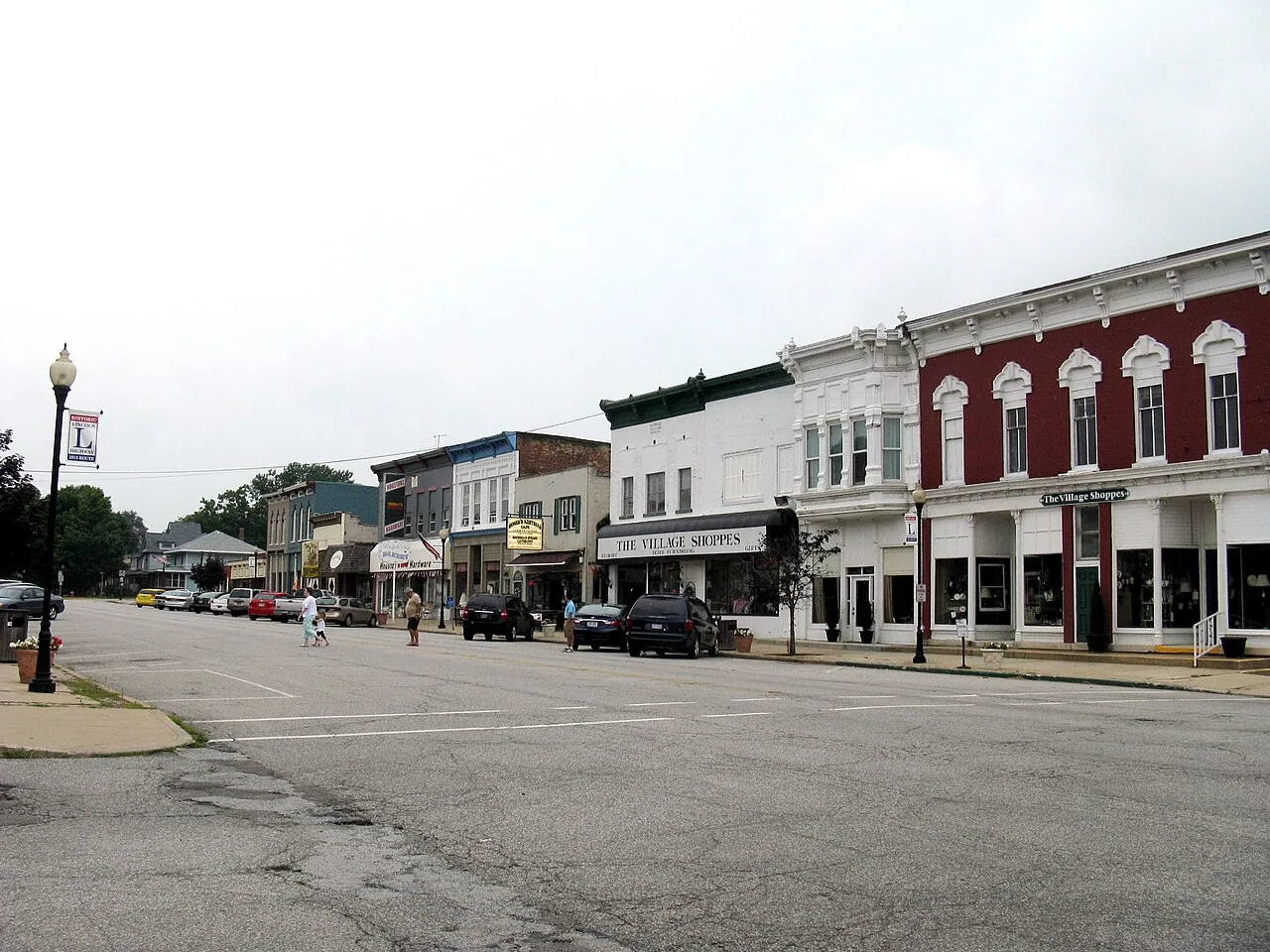
A commercial roof leak in New Carlisle raises an immediate question: how to protect the people, equipment and inventory below while the source is assessed. Describe where water is appearing, whether electrical equipment is nearby and what roof access is available. A responder can discuss immediate precautions and coordinate an inspection; the permanent repair plan follows the assembly and weather conditions found on site. The city is about 15 miles from South Bend, and owners can plan for a local contact who knows the building's access requirements and operating schedule.
From the first call to the first walk
On the first call we ask where the water is falling, what is under it, whether anything electrical or stored product is at risk, and whether the roof is accessible by hatch, ladder or lift. We can offer practical precautions while response is being coordinated: move what can be moved, put a container under the drip, photograph the ceiling and keep people clear. The repair method depends on the roof system, safe access and conditions at the opening.
On site, we find where the water enters, which is often some distance from where it appears. We follow the stain upslope, check flashings at walls and penetrations, probe laps, and look at the drains for debris or ice. Photographs can document the observed condition, temporary protection and recommended next steps for the owner.
Inside, note whether the stain changes after rain, thaw or wind, and whether it appears near a wall, light, rooftop unit or drain line. Above, inspection follows that clue through seams, penetrations and transitions instead of treating the ceiling mark as the entry point. If the roof has multiple layers or prior patches, testing can clarify how far moisture extends before a larger repair is priced.
Large buildings close by
New Carlisle is home to the Indiana Enterprise Center, a multi-building industrial park whose listed spaces range from 108,150 to 992,620 square feet. At the Indiana Enterprise Center, a roof assessment should account for long roof areas, dock activity, tenant boundaries and access around active operations. For industrial properties, a drone roof inspection or infrared moisture survey can help identify areas that merit closer examination.
The Honeysuckle solar generating station, rated at 188 MWdc, entered service in New Carlisle in 2024. For a building owner considering rooftop panels, start with the existing membrane, insulation and drainage condition; solar-ready roofing planning should coordinate attachment details, walkways and expected roof service life before an array is installed.
Storms that cross western St. Joseph County
After strong wind or a tornado warning, inspect roof edges, coping, rooftop-unit curbs and penetrations for movement or damage. If conditions allow a safe inspection, a tornado damage repair assessment can document loose metal, lifted membrane and debris impacts before temporary protection or a permanent scope is chosen.
South Bend averages 64.5 inches of snow annually, with a first 32-degree freeze around October 18 and a last around May 1. Those South Bend climate patterns are useful regional context for New Carlisle owners: before winter, check drains and overflow routes, and after snow or thaw events look for ponding, displaced flashing or recurring ceiling stains. The roof's actual condition and local forecast should guide safe access and any snow-management decision.
Repair, restore or replace
Once the building is dry, the decision is about what the roof has left. Isolated leaks around penetrations or at a wall flashing call for commercial roof leak repair and a seasonal visit. A sound roof with a worn surface may suit a restoration coating or a recover. Where insulation is wet over an area, that area is cut out and replaced, because coating over water only seals it in.
Cost and schedule follow the same drivers as anywhere: the number of penetrations, the amount of wet insulation, how the building is used, how deliveries of material reach the roof and what the season allows. Cold weather limits adhesives and seam welding, so a late-fall decision may mean a temporary repair that carries the building to spring. Permits follow the state commercial code in force on the day the application is filed, so the scope and the schedule are checked against it first. An owner who sets up preventive roof maintenance before a problem appears often avoids an emergency call in the first place.
For a low-slope roof, drainage deserves a separate look during that comparison. A clear drain bowl does not always mean water is leaving the roof: a blocked leader, damaged overflow or low area can retain water after the surface outlet appears clear. The inspection records the route from roof to discharge and distinguishes a maintenance issue from a slope or structural concern. On a metal roof, seams, fasteners, panel ends and transitions around equipment deserve attention; on a membrane system, the focus shifts to laps, penetrations and flashing details.
Owners can also compare work by the disruption it creates below. A repair may keep most of the roof in service, while a recover or replacement may require phased access, controlled material staging and temporary closure at the end of each work period. The proposal should say what is included and identify conditions that may change the scope.
Paperwork after a storm
When a storm damages a roof, the insurer will ask when, where and how much. We record the roof as the storm left it, with close photographs of each damaged detail, a wider shot for location, the date, the weather and a short description of what the damage looks like. Temporary repairs are logged with receipts for materials and labor, because most policies expect the owner to prevent further damage. That record is the core of roof insurance claim assistance, and we prepare it so an adjuster can understand the observed roof conditions and documented work. A follow-up inspection can compare the repaired areas with conditions after the next weather event. If the operating footprint extends west toward Elkhart, schedule each roof from its own access and weather constraints.
Commercial Roofing Questions
What details help coordinate an emergency response in New Carlisle?
Share the general property area, where water is showing, what is below it, and any gate, escort or roof-access requirements. Emergency roofing response is available around the clock, including holidays. Site access, weather and the roof assembly shape the work that can safely proceed.
Does a building in a small town need a different plan than one in the city?
The roof itself needs the same condition-based inspection wherever the building is located. Access routes, lift placement, material delivery and tenant operations can change the project sequence, so share those constraints before the scope is finalized.
We want rooftop solar. Should we repair the roof first?
A roof should be assessed before rooftop solar is installed. The review should cover membrane and insulation condition, remaining service life, attachment details, drainage and planned walkways. If the roof needs replacement, coordinating that work before an array is installed can avoid disturbing new equipment later.
A tornado went through the county. What should we check on our building first?
After a wind event, keep people clear of loose roof materials and inspect only when conditions are safe. A qualified roofer can check edges, corners, rooftop-unit curbs, penetrations and drains, then document observed conditions before cleanup changes the evidence.
Can hail damage show up months after the storm?
Yes. Hail can bruise a membrane or crack a coating without making an opening. A close inspection can document impacts, seams and flashings; the roof's assembly and subsequent weather determine whether damage develops into leakage.
Related Roof Work
Talk to Our Team
Tell us where the water is landing, what the roof is made of and when the building is easiest to reach.
Phone: 555-555-5555
Email: [email protected]